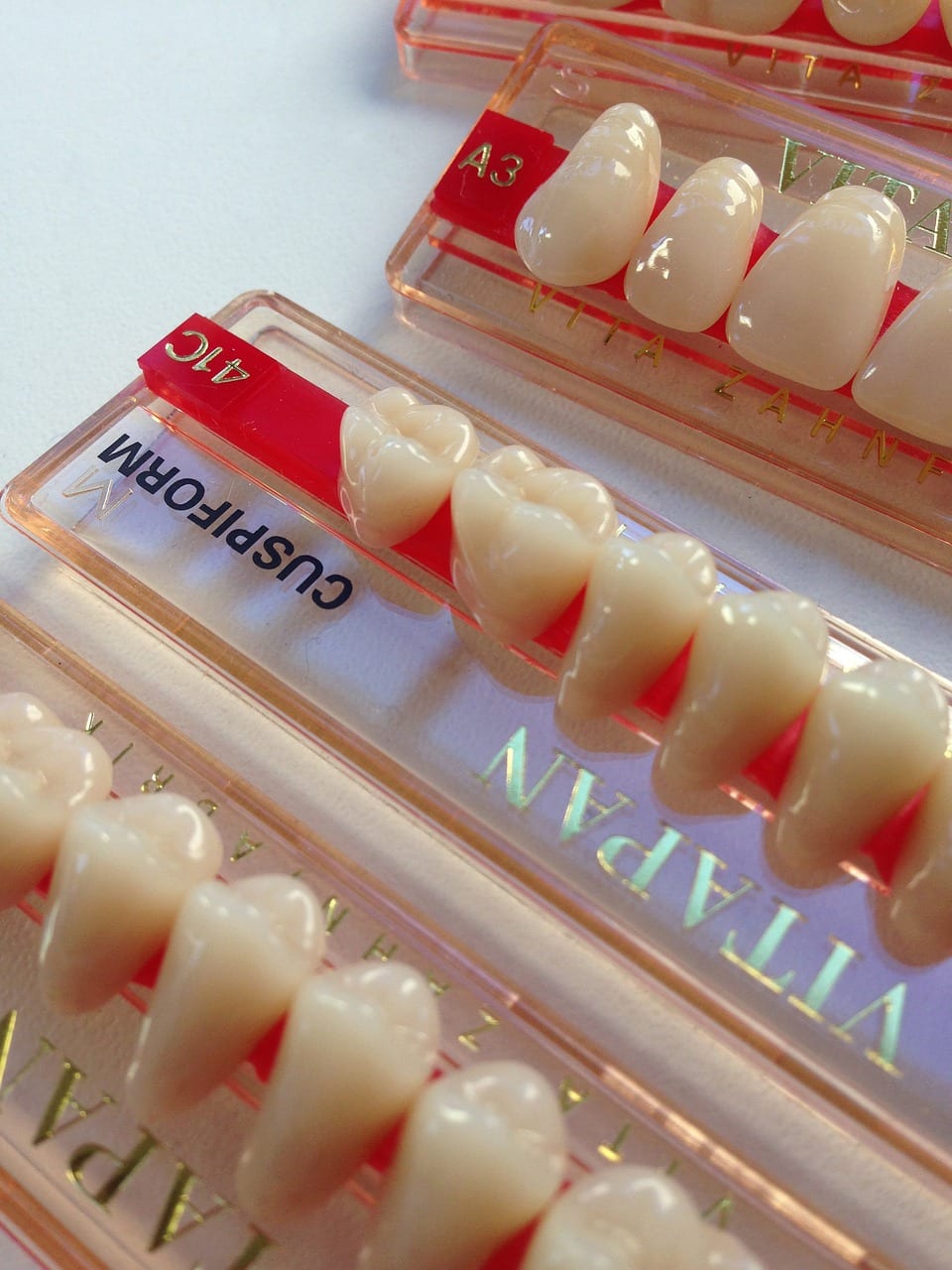
If you do not want to undergo invasive procedures such as implants or crowns, dentures are the best option for replacing lost teeth. Depending on how many natural teeth you have, you can have full or partial dentures. They behave and look just like your real teeth. They do not always feel like natural teeth, but you get used to them over time. Dentures now come with a wider range of adjustment options and are more comfortable. They are stable enough to bear the weight of chewing and adapt to the shape of your gums.
A denture undoubtedly has to be adjusted before it can be fitted in the mouth. When you first get your new denture you might have difficulty speaking, eating or yawning. You may also feel uncomfortable, especially with a partial denture for your front teeth. That is why it is important to understand the five basic things you will go through when acquiring a restoration.
What patients with partial dentures can expect
Worn and cared for properly, a denture can be your mouth’s best friend. It may take you some time to get used to your new teeth, or you may be able to eat your favourite food again straight away. Either way, you will be pleased with them. The dentists at Zahnchirurgie Köln have put together a list of five possible problems after receiving your first denture, to make the whole process simple and stress-free.
You may have red or sore gums
Partial dentures for the upper or lower jaw rest on the gum, and that can occasionally cause the gum to become inflamed and irritated. The uncomfortable spots can be caused by the denture tipping, by cut edges on the inside, by margins that do not sit properly or by too much pressure on the gum. It is important to remember that the shape and the margins of the gum also have a great influence. Since the denture has no supporting surface, thick or thin gums can also be the reason for a poor fit.
What now? If necessary your dentist will adjust the denture to the shape of your gums after you have discussed the redness with them. If the shape of the gum is the problem, your dentist can carry out a gum augmentation to support it.
Your speech may be unclear for a while
Your tongue, muscles and other teeth are used to your natural dentition. It can therefore take some time for them to adapt once you start wearing a denture. As a result you might have difficulty pronouncing letters such as «s», «l» and «r», as well as various vowel sounds.
What now? Your dentist can help you practise pronunciation and speaking. The problem usually arises with a front partial denture. The denture may need reworking by your dentist because of its margins and overhangs.
You may notice a temporary change in taste
Even though teeth have no taste receptors, they can still affect the taste of certain foods. If you wear a full or partial denture you may not be able to chew as well as with your natural teeth, which can affect how a meal tastes. The good news: when a partial denture fits properly, your sense of taste is not significantly affected.
What now? Try washing your denture regularly to see whether it helps if you still have a loss of taste. If the problem persists, your dentist might suggest implants or trimming the denture so that it takes up less space.
You may have to observe certain dietary limits
Even though wearing a denture makes chewing and eating easier, you may have to observe certain limits. With partial dentures, however, not so many dietary restrictions are necessary. Your dentist may nonetheless recommend keeping away from sticky food, hard sweets, nuts, poultry and other things until the denture fits well.
What now? For a few days after fitting, eat soft meals such as mashed potato, liquids, rice and so on. Once you have got used to chewing, you can gradually introduce harder food.
You have to look after your partial denture
Caring for your denture is decisive for maintaining dental health. To ensure a thorough clean, avoid staining, trapped food or prolonged use without cleaning. Make sure to clean your denture daily before wearing it, especially if you use denture creams or adhesives.
What now? Place your denture in water overnight or soak it in a denture solution. Clean it with a soft-bristled brush to make sure no food remains in it.
With experts it is easy
Dentures are intended for anyone who wants to replace their teeth without surgery. As with any procedure, wearing them can bring some problems, but with the expert team at Zahnchirurgie Köln at your side, wearing a denture and getting used to it becomes straightforward. Our dentists understand the concerns of people wearing a denture for the first time and offer solutions for every problem that arises. If you are missing teeth and are looking for partial dentures for the upper jaw, the lower jaw or the front teeth, contact Zahnchirurgie Köln today.