Regular prophylaxis as a contribution to lifelong dental health
When it comes to the health of the teeth, not only the regular check-up at the dentist is important, but also prophylaxis. The word comes from the Greek language and means nothing other than preventing diseases. Prophylaxis is a main topic in our dental practice. It connects the practice team closely with the patient and helps to avoid major damage to the teeth or the periodontium. Prevention is better than drilling.
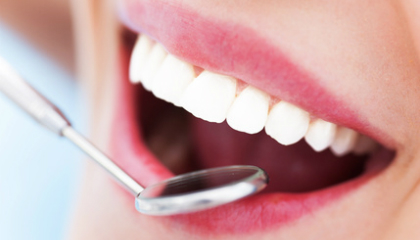
This is an old wisdom of dentists, which has lost none of its validity over the years. Sick teeth and gums can significantly affect the well-being of those affected. If such problems remain untreated, they can have unpleasant consequences. Not only that the affected persons have to suffer constantly more or less severe pain. There is the threat of tooth loss, which then results in expensive dental treatment for patients and health insurance companies. Caries and periodontosis are the cause of bacteria that form automatically if the plaque on the surface of the teeth is not removed regularly. Both diseases are widespread worldwide.
The prophylaxis programme used in our dental practice is based on the latest international results of research in dentistry. In addition, the experience of the practice team gained over the years is reflected in the program. Our program can be individually adapted to the needs of the patients. This is what makes it so promising in the end. Patients who regularly attend our prophylaxis consultation, receive treatment and advice lay the foundation for lifelong dental health.
Prophylaxis is particularly successful if the advice of the prophylaxis team is consistently followed and implemented. The personal oral hygiene of the individual is particularly important, and success stands or falls with it. It is up to each patient to maintain a healthy smile in the long run. Also important is the aftercare after a surgical intervention or a completed treatment.
While prophylaxis for patients with healthy teeth once or twice a year is completely adequate, patients should have prophylaxis at least four times a year after periodontitis treatment. Many statutory health insurance companies now reimburse patients for at least two visits.