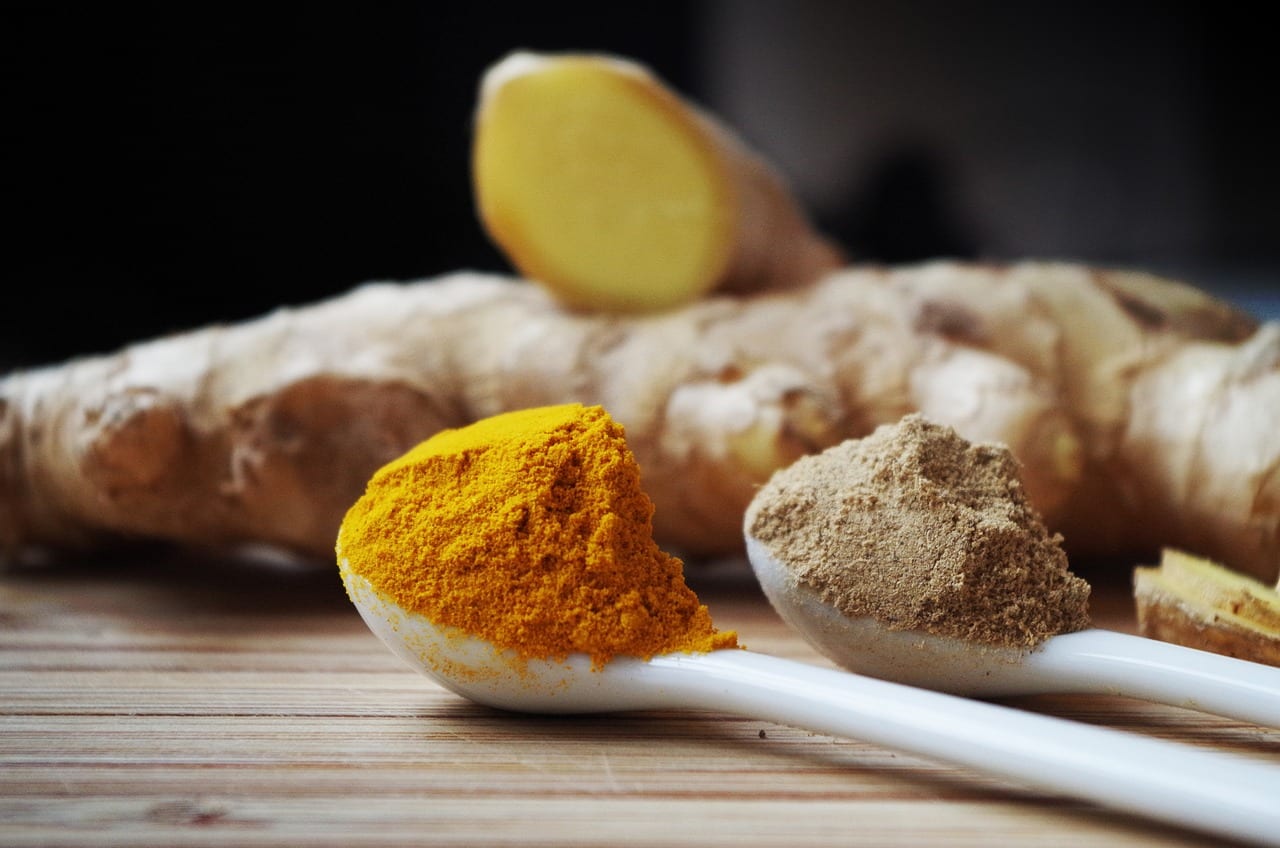
Turmeric (haldi) has been used for thousands of years as a colouring, a flavouring and a medicinal plant. This ancient spice belongs to the ginger family and contains a component called curcumin. That component has antimicrobial, antiseptic, antioxidant and anti-inflammatory properties, which are also very useful in dentistry.
Benefits of turmeric for dental health:
- It reduces the swelling and irritation that frequently occur in gingivitis (inflammation of the gums) and periodontitis (inflammation of the tissue that supports the teeth).
- It can be applied locally to treat aching teeth as an alternative to anti-inflammatory medication.
- Because of its antimicrobial properties it also helps remove the plaque responsible for decay.
- Since it has antioxidant properties, it is effective in controlling and stopping chemotherapy-resistant cancer cells that occur in oral cancer.
How can turmeric be used for dental problems?
Here are a few easy ways to use turmeric for dental health:
- Massaging aching teeth with roasted, ground turmeric can help relieve pain and swelling after a root canal treatment, an extraction or a dental implant.
- Prepare turmeric water by boiling 5 g of turmeric powder, two cloves and two ground guava leaves in 200 g of water. Let it cool. Rinsing the mouth with this water can bring immediate relief from dental problems.
- Prepare a paste by mixing 1 teaspoon of turmeric with ½ teaspoon of salt and ½ teaspoon of mustard oil. Rub this paste on gums and teeth twice a day to relieve gingivitis and periodontitis.
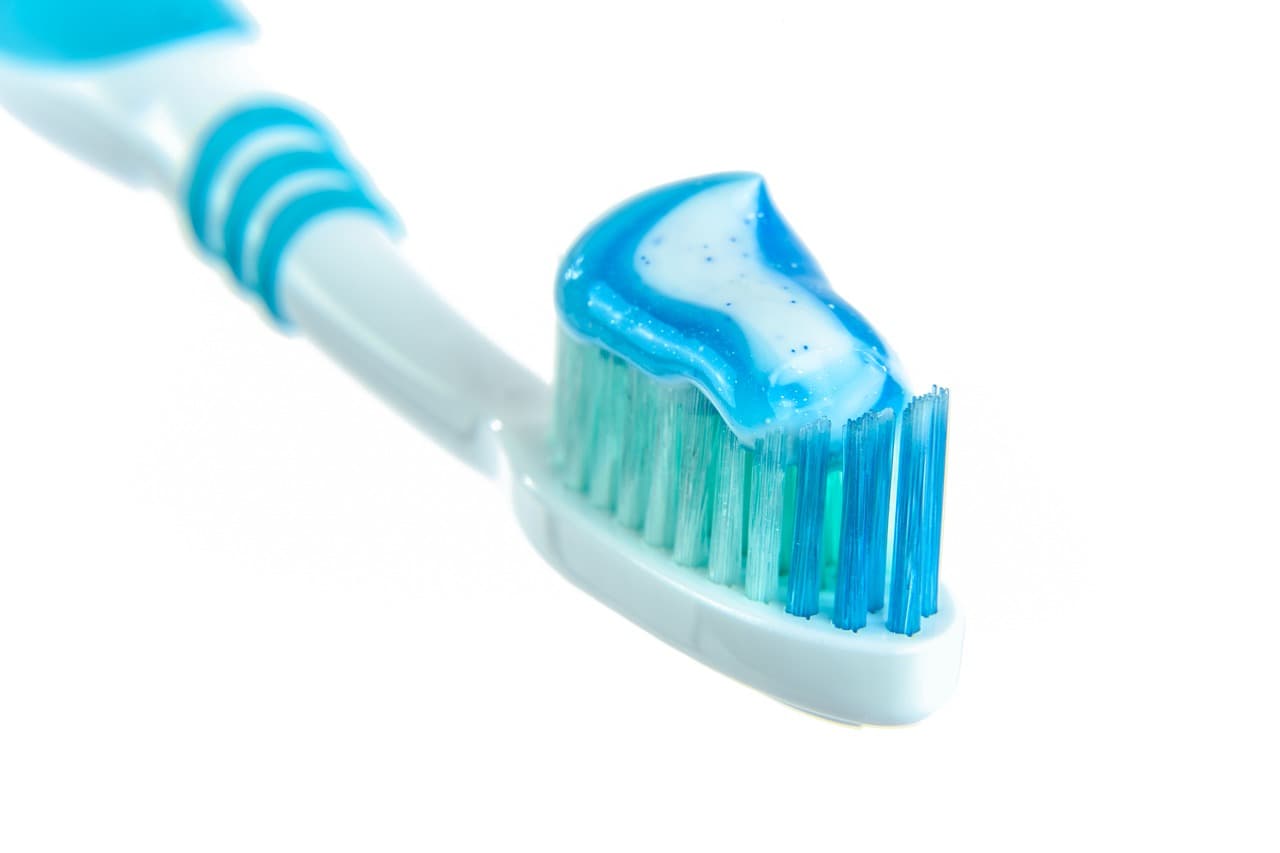
- Bear in mind that turmeric stains the teeth yellow, so it is advisable to follow this routine with an ordinary toothpaste.
Precautions:
Turmeric as a spice is very safe to use. With turmeric supplements, however, care is needed, since they are a concentrated form of curcumin.
Some of the conditions under which turmeric supplements should be avoided:
- Pregnancy and breastfeeding
- Diabetes (when blood-thinning medication is being taken)
- Before an operation
- Gallbladder disorders
- Gastrointestinal disorders
Using plants and herbs for dental care is a very widespread indigenous system of medicine, since the benefits are many. Further research into the correct use of turmeric in dentistry is being carried out.