How often have you changed your toothbrush? Our dental hygiene is a part of our routine that we pay less attention to than other parts of our health and beauty regime. We throw out old meals, restock vitamins and supplements and replace our cosmetics regularly. To keep your oral health in the best possible shape, there are some important guidelines to follow.
Change your toothbrush
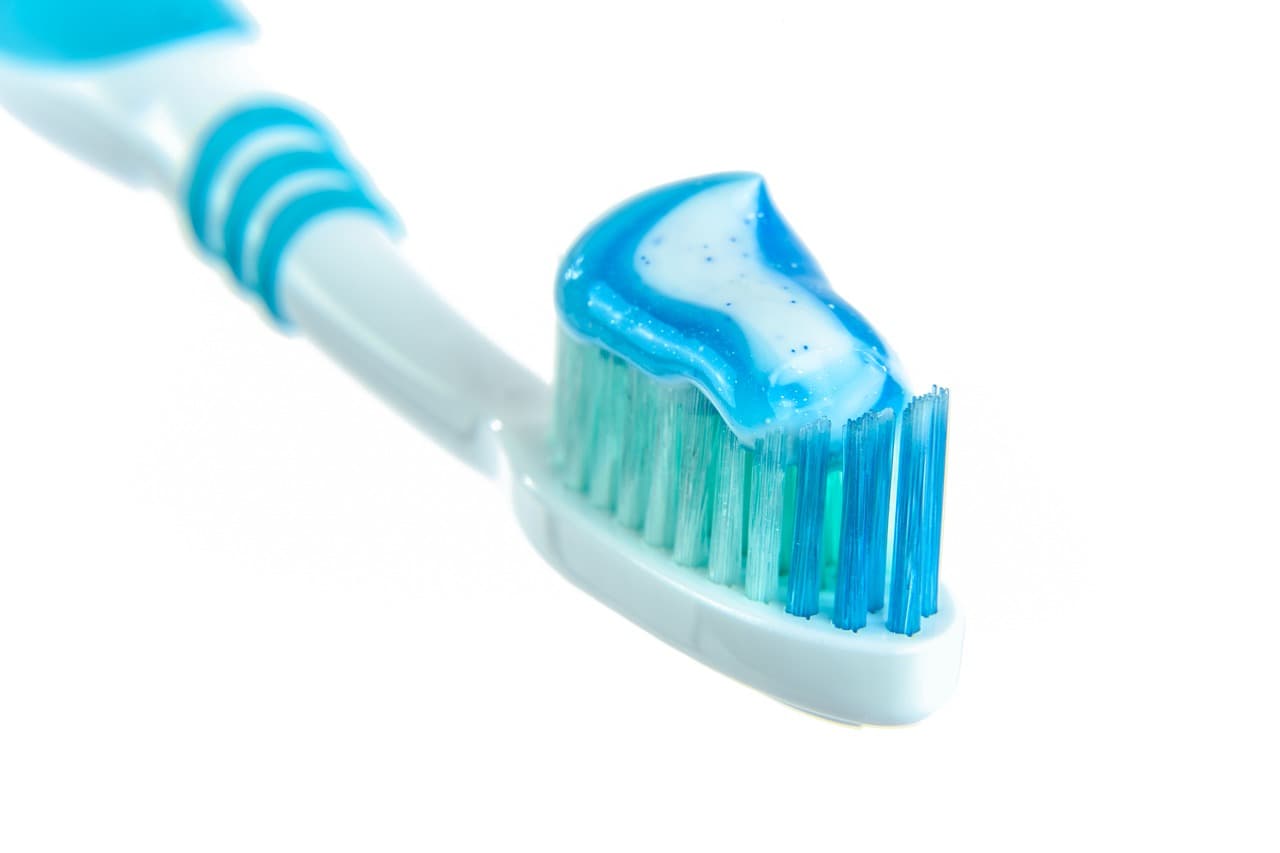
The American Dental Association and most dentists recommend changing your brush every three months. Through normal wear, brushes gradually lose their ability to remove plaque effectively from teeth and gums. Studies suggest the bristles lose their effectiveness after about three months and begin to break down. You should also bear in mind that bacteria can gather in the bristles — something we would rather not think about. That is why it matters to replace the brush after a cold, to avoid the risk of reinfection. If you are not careful, fungi and bacteria can settle in the bristles too. Make sure to rinse your brush thoroughly after use and dry it before storing it upright, uncovered and away from other used brushes. Cover the head when travelling, to protect it and prevent germs being passed on. If you are unsure how long a brush has been in use, look at the condition of the head, in particular any dark discolouration, which is a sign of mould. Watch out too for frayed or worn bristles.
What happens if I do not change it often enough?
If the fact that germs and fungi build up on the bristles over time is not enough to persuade you, there are a number of other hazards and unpleasant consequences. One is that an ageing brush removes plaque less efficiently, which leads to inflamed gums and can damage the gum tissue. An infection brought on by untreated gingivitis can lead to tooth loss. Even less appealing are the risks associated with overusing brushes — bacterial and fungal growth — with mouldy brushes, or, perhaps the least appealing risk of all, with swallowing foreign matter if you store the brush near a toilet.
What to look for when buying dental products
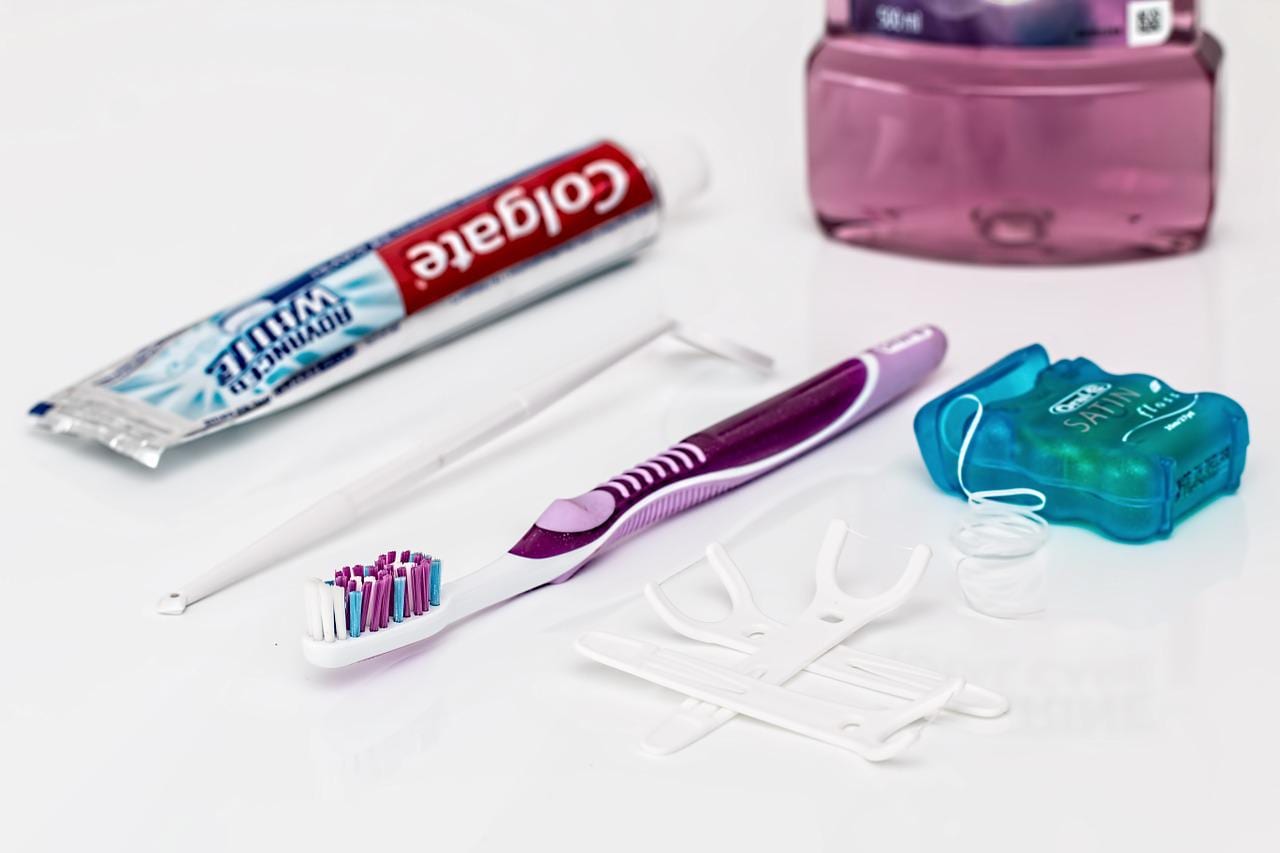
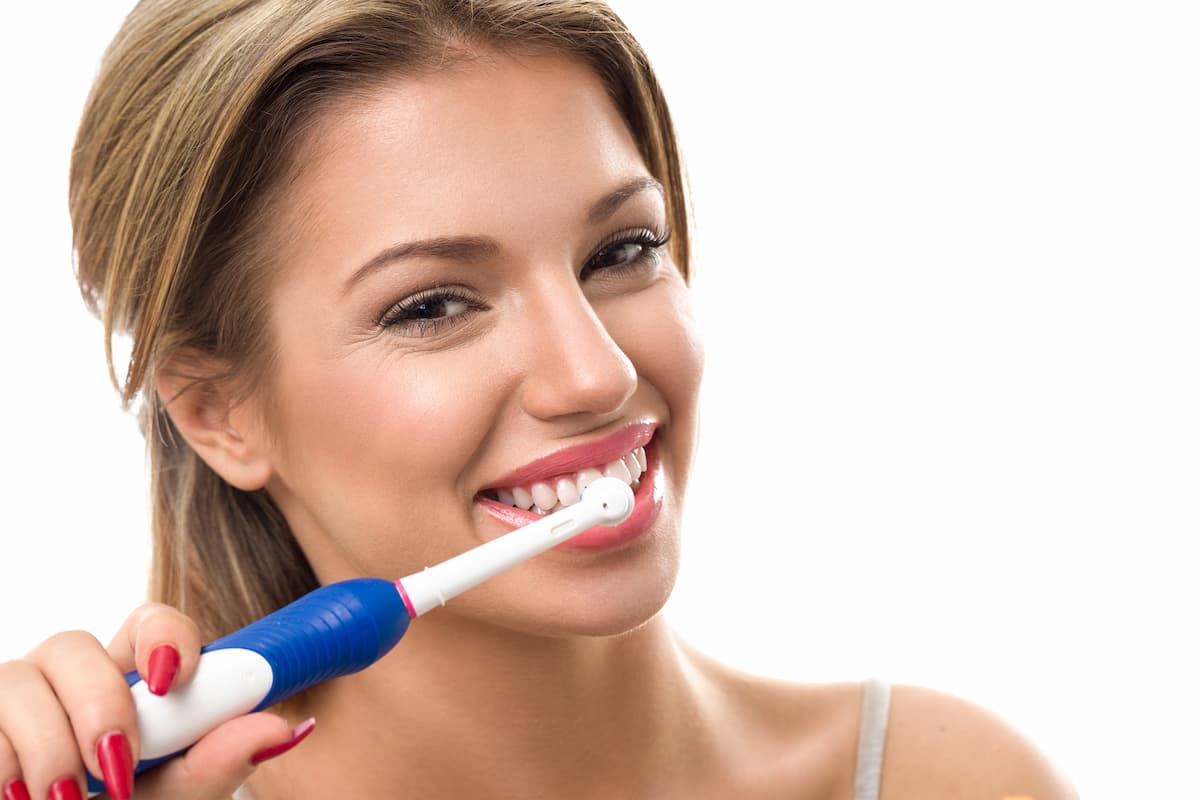
At your next examination and cleaning, ask your dentist what to buy for your individual needs and your particular dental situation. Brushes that clean only one or two teeth at a time, fluoride toothpaste, mouthwashes to combat plaque and inflamed gums, and floss are some suggestions dentists frequently make. By removing plaque, reducing inflamed gums and eliminating discolouration, electric brushes have been shown to improve oral health more than a manual brush. They have also been shown to reduce plaque on the teeth of patients with periodontal disease. Find out about the products that best suit your needs, and do not forget to ask your dentist for advice.