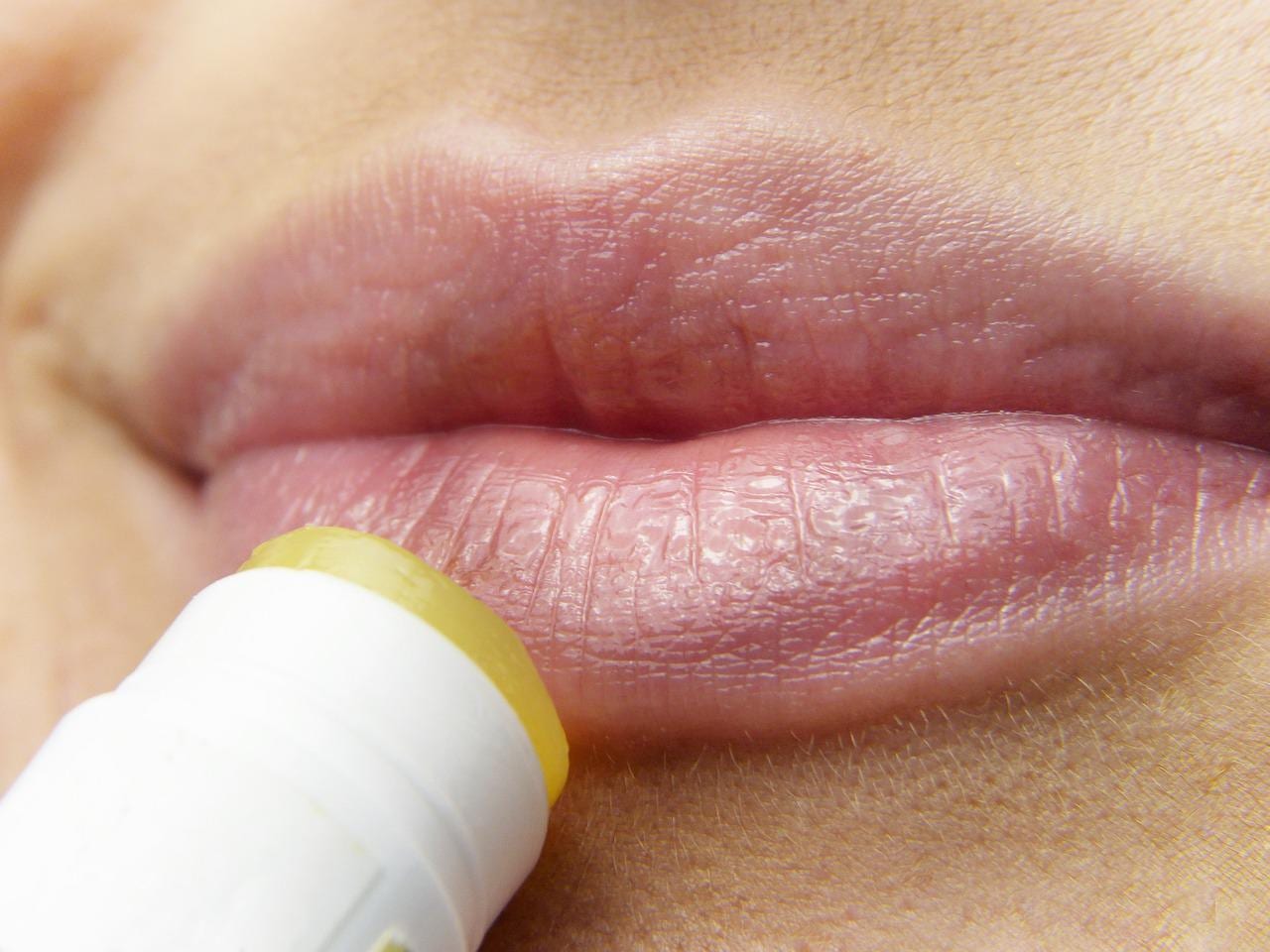
Oral cancer has a high mortality rate when it is recognised too late. The survival rate five years after a late diagnosis is around 50%. This high mortality is connected with the fact that the cancer is usually only discovered at a late stage of its development. Early stages are hard for those affected to recognise themselves. It is, however, a form of cancer in which early diagnosis is a great advantage: when oral cancer is detected early, the chances of survival rise from 50% to 90%.
What is oral cancer?
Oral cancer is a form of the disease in which a tumour develops in an area of the mouth, typically on the surface of the tongue, the inside of the cheeks, the lips, the gums or the roof of the mouth. In rarer cases tumours can also develop in the saliva-producing glands, the tonsils or the throat.
Why is oral cancer so hard to detect?
Successful treatment depends heavily on early detection, and for anyone following their daily routine at home with brush and floss, the first signs may not be recognisable. In the early stages there is frequently no pain, and visible signs can be very hard to spot — they may be small patches of varying colour in the tissue of the mouth that only really stand out if you shine a light directly inside. If you have no pain in your mouth, you are unlikely to shine a light in and look for signs that something is abnormal. But what would «abnormal» even look like if the inside of your mouth is not something you examine regularly?
Warning signs to watch for
Oral cancer is hard to recognise early because there are no obvious symptoms to look out for. Anyone with one or more of the following should, however, see a dentist:
- Sores or ulcers in the mouth that do not heal within three weeks
- Lumps or swelling in the mouth, head or neck
- Unexplained difficulty chewing, or difficulty moving the jaw or tongue
- A severe sore throat and hoarseness lasting several weeks
- New and puzzling looseness of a tooth, not caused by a blow
- White or red patches in the mouth
- Persistent pain in the mouth
Risk factors
Oral cancer occurs mostly in people over 50 and is frequently associated with those who have smoked for much of their lives, but non-smokers can be affected too. About 4% of all diagnoses are in people under 40. Human papillomavirus (HPV) contributes to a growing percentage of oral cancers, particularly in areas such as the oropharynx, the tonsils and the base of the tongue. HPV is associated with about three in four cancers of the oropharynx and more than one in ten cancers of the oral cavity and hypopharynx. The HPV vaccine is offered to children and is also recommended for men and women up to and including the age of 45, to protect them against these diseases.
Further risk factors include:
- Smokeless tobacco, such as chewing tobacco, and environmental tobacco smoke. The risk of oral cancer is 87% higher in never-smokers who have been exposed to passive smoking at home or at work than in unexposed never-smokers.
- Alcohol — drinking more than 10 units a week could raise the risk of oral cancer by 81%.
- Infections — the risk is about twice as high in people with HIV/AIDS as in the general population.
Why the dental visit matters
That everyone should go for a dental examination at least once a year is a widely accepted recommendation — but why? Routine check-ups not only help recognise and treat signs of decay, plaque build-up and the beginnings of gum disease. Your dentist is also the professional most likely to notice early signs of oral cancer. Every examination begins with a look from the outside and a look inside the mouth; together with your medical history and your lifestyle, that establishes whether you are at raised risk. At these appointments you also have the opportunity to raise anything you have noticed — a lump, persistent pain or other symptoms. A dentist cannot prevent someone developing cancer, but they can recognise a concern early and refer you straight to the right place.