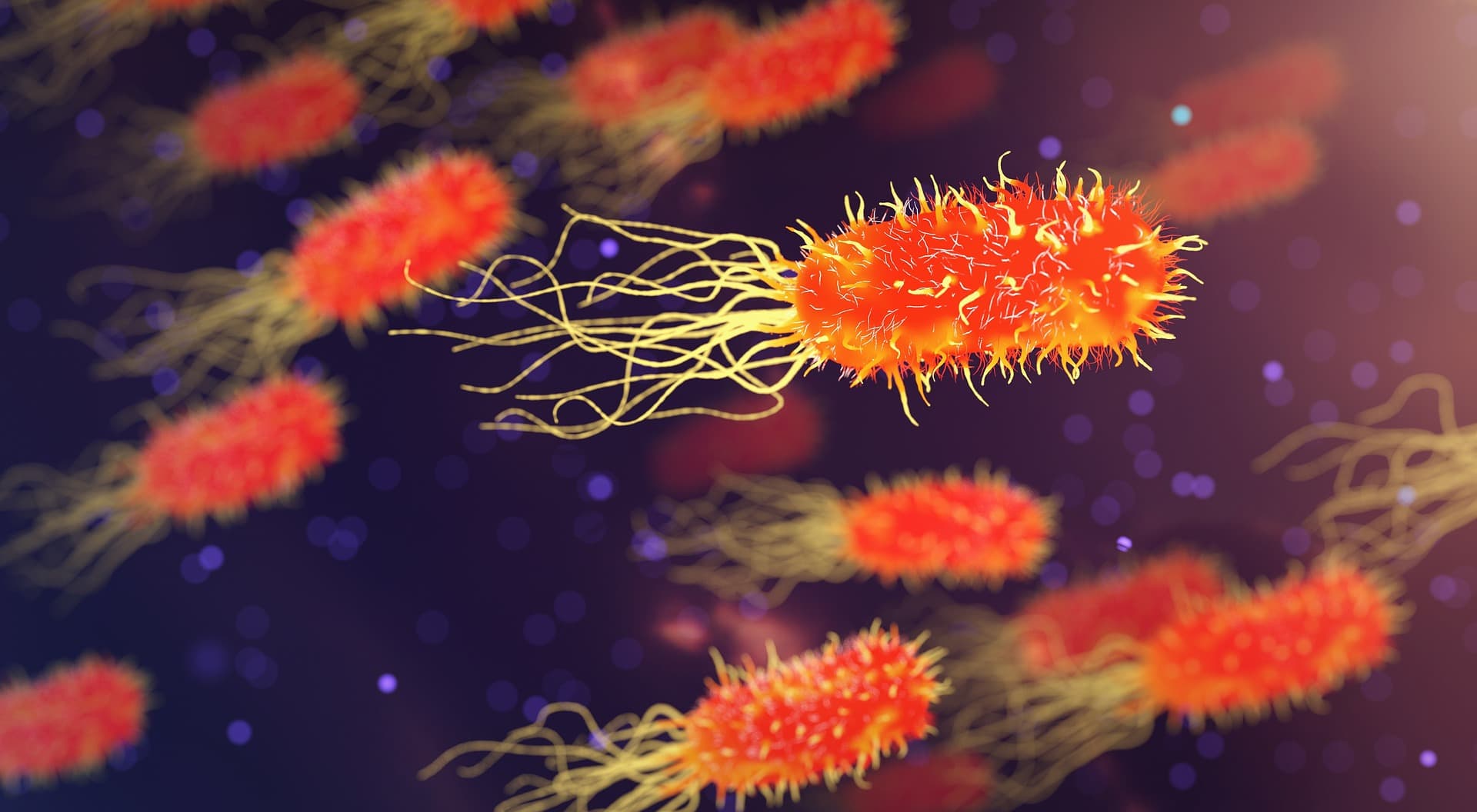
A new study carried out by a team at the University of Buffalo reports that a bacterium called Veillonella parvula plays a supporting role in the development of gum disease by encouraging the pathogen Porphyromonas gingivalis to multiply. The aim of the study, published in the ISME Journal, was to understand how P. gingivalis forms colonies in the mouth. The question was how this pathogen can settle without growth molecules. The researchers found that it obtained them from V. parvula, a common bacterium of our oral microbiome.
Highlights of the study
Researchers at the UB School of Dental Medicine have studied P. gingivalis for around two decades. The study can be summarised as follows:
- It was carried out in an appropriate mouse model and in in-vitro culture systems and focused on understanding how growth molecules control the growth and colonisation of P. gingivalis.
- Five bacterial species commonly found in gum disease were selected, and the interaction between their growth molecules and P. gingivalis was tested.
- Of the five, only the growth molecules of V. parvula were found to affect the multiplication of P. gingivalis.
- Another interesting result was that P. gingivalis no longer multiplied when V. parvula was removed from the microbiome. The presence of V. parvula was not sufficient on its own, however: multiplication was only triggered when it was present in a large population.
- The study suggests that P. gingivalis maintained a one-way relationship with V. parvula, since sharing growth molecules gave the latter no obvious advantage. Besides the growth molecules, V. parvula produces haem, which serves P. gingivalis as an excellent source of iron.
- The one-way relationship was further confirmed by an increase in periodontal bone loss caused by P. gingivalis in the presence of V. parvula. It remains unclear whether the growth-promoting molecules produced by P. gingivalis resemble those of V. parvula, and further research is needed.
Why this matters
According to the CDC, over 47% of adults aged 30 and over have some form of gum disease. With deeper insight into the relationship between V. parvula and P. gingivalis, researchers could develop specific therapies for treating periodontitis. In a person with good oral health, P. gingivalis makes up a very small percentage of the microflora in the mouth and cannot multiply. In people with poor oral hygiene and minimal plaque control, by contrast, V. parvula multiplies rapidly and produces enough growth molecules to trigger the replication of P. gingivalis. Therapies aimed at removing V. parvula from the oral microflora may prove useful in keeping gum disease in check. We should bear in mind, however, that its presence alone is not harmful: it is its multiplication in a mouth with poor hygiene that sets off the multiplication of P. gingivalis. Plaque control and good oral hygiene are therefore certainly the best means of preventing and treating periodontal disease.