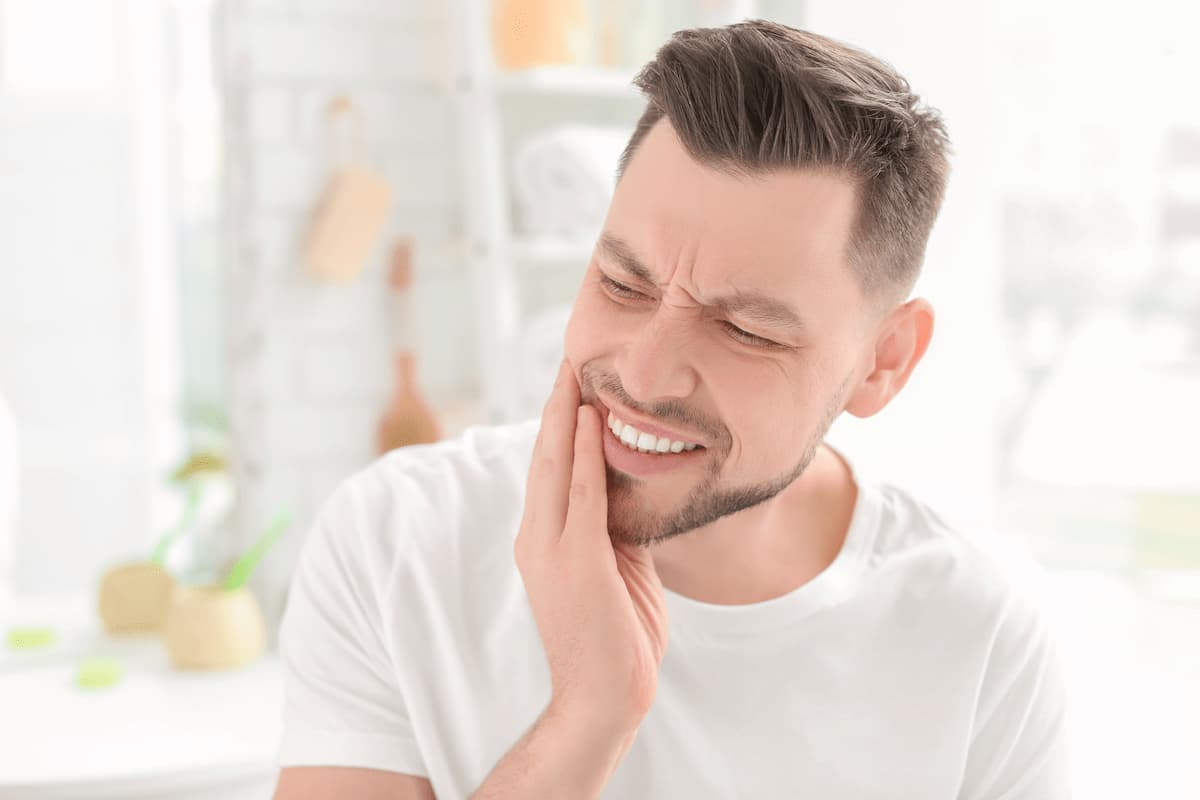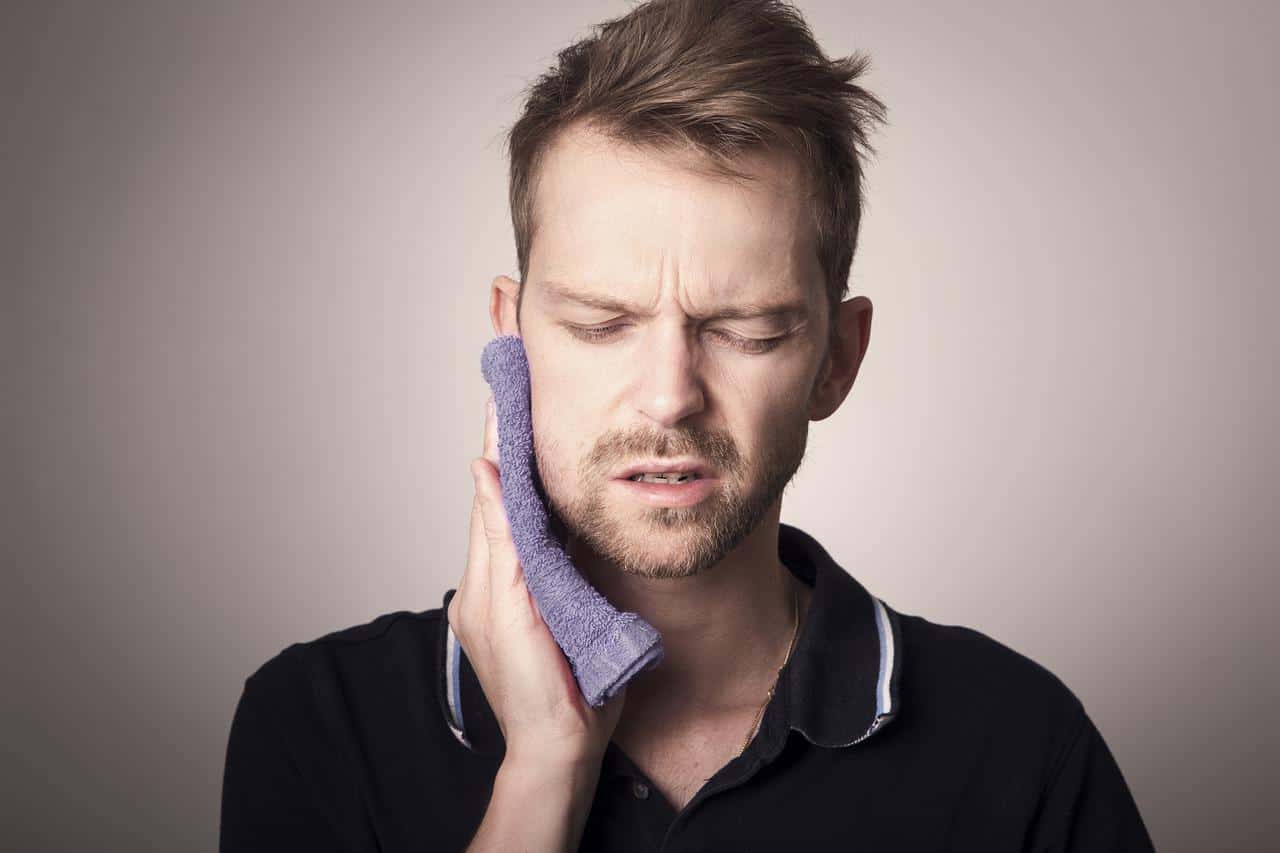
Sensitive teeth can be the cause of pain or discomfort when eating or drinking cold or hot things such as ice cream, coffee or tea. Teeth with dentine hypersensitivity react more strongly to extreme temperatures. When eating hot or cold food, people with sensitive teeth experience acute pain that passes quickly. Most studies also show that 10 to 30% of people have sensitive teeth. Sensitivity can lead to discomfort both in the short and the long term.
After the dentist has assessed your oral health, they will explain the cause of your sensitivity. Once they know the signs, they will recommend an optimal therapy. This article is intended to help you understand the numerous reasons, signs and remedies for sensitive teeth. It is best to avoid denying yourself your favourite food because of sensitive teeth, or feeling guilty when you enjoy it.
Sensitive teeth: what are they?
If you have sensitive teeth, certain actions such as eating or drinking hot or cold things can produce strong discomfort or sensation. From infants to older people, dentine hypersensitivity can occur at any age. The main cause of sensitivity is the breakdown of the enamel or contact with the roots of the teeth. The first signs of the effects a sensitive tooth can have are severe pain and discomfort. It is also a mistake to think that sensitivity subsides or disappears by itself. If you have sensitive teeth you should see your dentist so they can check your dental health, since it can lead to many further problems.
Causes
Poor dental hygiene and a person’s lifestyle can be the main causes. Weaker enamel in some people can also make them more sensitive. The reasons are described below to help you understand yourself better.
- Using a hard brush or applying a lot of pressure when brushing can cause sensitivity.
- Grinding the teeth at night can be one of the reasons for dentine hypersensitivity.
- Eating a lot of acidic food and drink can also be to blame.
- Since stomach acid can flow back into the mouth and attack the enamel, it can also be a consequence of gastro-oesophageal reflux.
- Sometimes sensitivity can be caused by poor dental care, or by cracked, broken or chipped teeth.
- Sensitivity can also arise from exposed teeth due to receding gums.
- Dental procedures such as fillings and crowns can leave you sensitive for a certain time. After a few days the sensitivity in a particular spot subsides again.
Symptoms
Different temperatures, cold and hot, can lead to severe pain or discomfort. Other health problems or illnesses can also contribute to sensitivity affecting other areas of the body. Besides bad breath, receding gums and redness and swelling of the gums are among the oral signs. Further symptoms that can occur relate to various parts of the body: heartburn, indigestion, jaw discomfort, sinus pain, difficulty opening the mouth and many others are possible. There is also the possibility that more serious symptoms point to underlying, larger medical problems. It is therefore generally better to see the dentist while the sensitivity is still not too pronounced and to take preventive measures as soon as possible. Regular visits can spare you serious health problems in future.
Treatment
If the sensitivity is not too extreme, you can begin by paying more attention to your dental hygiene. With sensitive teeth you can start by brushing gently and switching to a soft brush and a suitable toothpaste. Choose an alcohol-free mouthwash instead. If the sensitivity persists despite these measures and good care, do arrange an appointment with your dentist. They will look for conditions that could be contributing, such as loose fillings, decay and receding gums, and will suggest a suitable course of action after assessing your problem. For the most typical problems, such as receding gums, the dentist will recommend a gum graft, a procedure that preserves the root of the tooth. If you grind your teeth in your sleep, they will also suggest wearing a guard.
Conclusion
Arrange an appointment with a dentist at an established practice if you or someone else in your household suffers from sensitivity. You can avoid future difficulty and suffering by treating it as soon as possible. Compromising on the quality of treatment can, however, make your situation worse. Turn therefore to a practice such as Zahnchirurgie Köln, which works with the latest technology and instruments and observes appropriate hygiene standards.