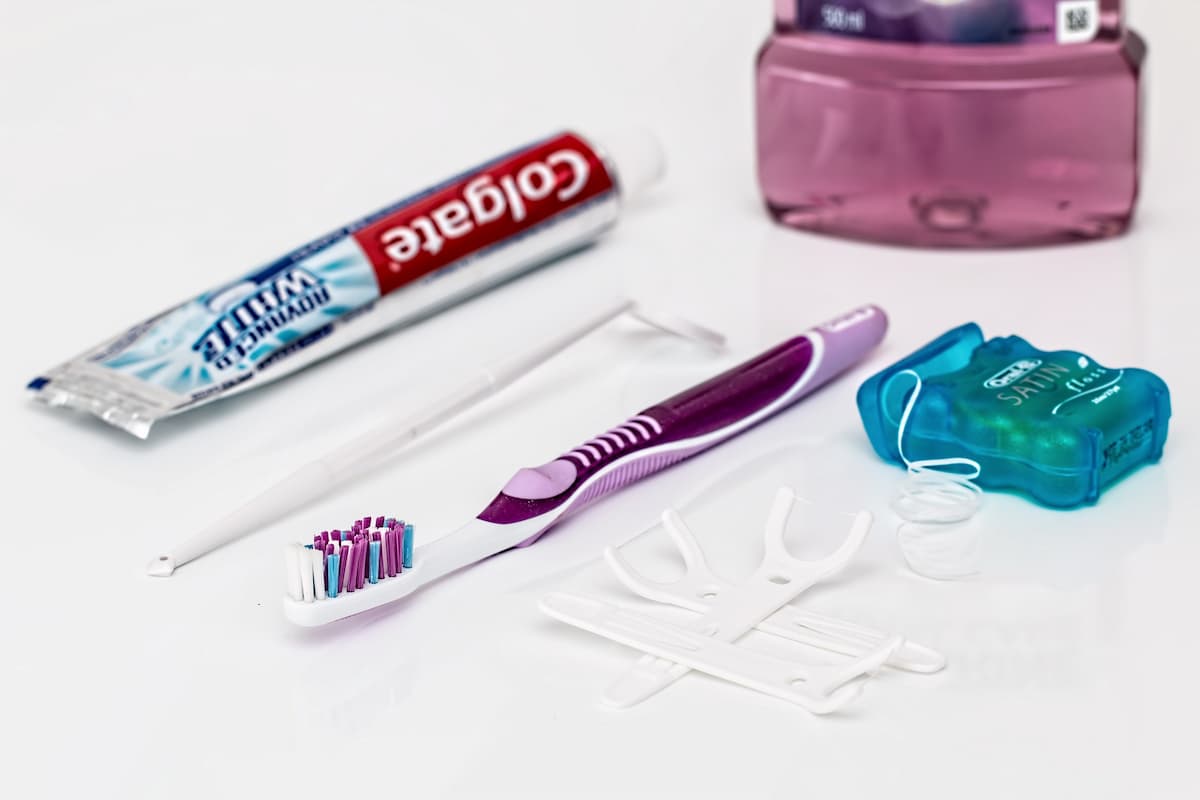
Simply brushing your teeth is no guarantee that you are ridding your mouth of bacteria and plaque. In this article we look at some of the mistakes you might be making. Does any of them apply to you?
1. Not brushing long enough
This is a classic offence — we recommend brushing twice a day for two minutes: two minutes before bed and at least one more time during the day. According to the Academy of General Dentistry, the average person brushes for 45 to 70 seconds a day, which is 23 to 35 seconds if they brush twice — less than half the recommended time. If you use an ordinary brush, you can use the timer on your phone, a clock or a small hourglass. Most electric brushes buzz at 30-second intervals, which lets you divide your mouth into four areas — top and bottom, left and right — and allow 30 seconds for each.
2. Rinsing your mouth after brushing
A common mantra of our hygienists is «spit, do not rinse» after brushing, and that applies both to rinsing with water and to mouthwash. When you rinse your teeth you wash away the fluoride and the enamel-protecting properties of the toothpaste. It is often hard to get used to this habit, but as with any new routine, the longer you stick with it the easier it becomes.
3. Using the wrong toothpaste
Even though there is no single best toothpaste for everyone, make sure yours contains fluoride, and in a sufficient amount — for adults that is between 1,350 and 1,500 parts per million, shown on the tube as ppm. Fluoride is an important factor in preventing decay. If you choose vegan alternatives, check here too that they contain fluoride; there are many vegan and environmentally friendly toothpastes.
4. Brushing at the wrong time
When you are ill, the first thing you want to do is reach for the brush to get rid of the taste in your mouth. Do not. The acid produced by illness, and also by acidic food such as your morning juice, removes the protective layer of saliva that normally sits on the teeth and means brushing abrades them more. We recommend waiting 30 minutes before brushing so that this layer can recover; you can rinse your mouth with water or mouthwash to remove the taste.
At the other end of the scale of wrong brushing is not brushing at all. Skipping a day — or several — gives the bacteria exactly the time they need. The most important is the nightly clean, to remove the deposits formed during the day by eating and drinking and to eliminate the bacteria that cause decay and gum disease.
5. Brushing too hard
A faulty technique combined with a heavy hand can lead to wear on the teeth and possibly to receding gums. Brushing harder does not make your teeth cleaner. Many electric brushes have a sensor that lights up when you press too hard. You should brush at a slight angle rather than at a right angle to the teeth and concentrate on each individual tooth, rather than scrubbing from side to side.
6. Using the wrong toothbrush
Manual or electric? The debate goes on. We have found that it is very difficult to clean the wisdom teeth with a manual brush, so people often miss the back of the mouth. An electric brush can clean them far better without your having to move the brush too much. It can also tell you whether you are applying too much pressure and give you a small signal so you know you have brushed long enough. Whether electric or manual, choose the bristles carefully: they should be soft or medium, not hard — you want to clean your teeth gently without injuring them or your gums. The same applies to the size of the brush. A larger head is not necessary, since you want to work on the surface of one tooth at a time, not all the teeth at once.
7. Using an old brush or brush head
Your brush is not as effective as it should be once the bristles are worn. Replace your brush or head every three months — remember to change it whenever the season changes if you cannot recall the date you started using it. It is also important to change it after you have been ill. Bacteria grow on the brush, and a fresh one can prevent you reinfecting yourself.
8. Flossing only the front teeth
Some people only floss the teeth they can reach, rather than between all of them. Flossing is not only about removing food but also about eliminating the fine plaque and biofilm between teeth and gums that leads to decay and gum disease.
9. Not using interdental brushes
Where possible we recommend using an interdental brush alongside floss. While floss, used correctly, can also get between the gums, you need an interdental brush to clean the sides of your teeth — a spot your brush and floss may not reach.
10. Replacing floss with brushing or mouthwash
A brush head with a «floss action» is no substitute for floss. It does not reach between the teeth. And a mouthwash does not remove plaque — that is like spraying a car with car shampoo without scrubbing it clean.
Although the points above are general mistakes, oral hygiene advice can differ from person to person, since it depends on a range of individual factors such as lifestyle, genetic predisposition and current oral health. It is best to see a hygienist regularly, who can demonstrate techniques and give you tailored recommendations for your routine at home — and who can care for your teeth and gums in ways you cannot at home.