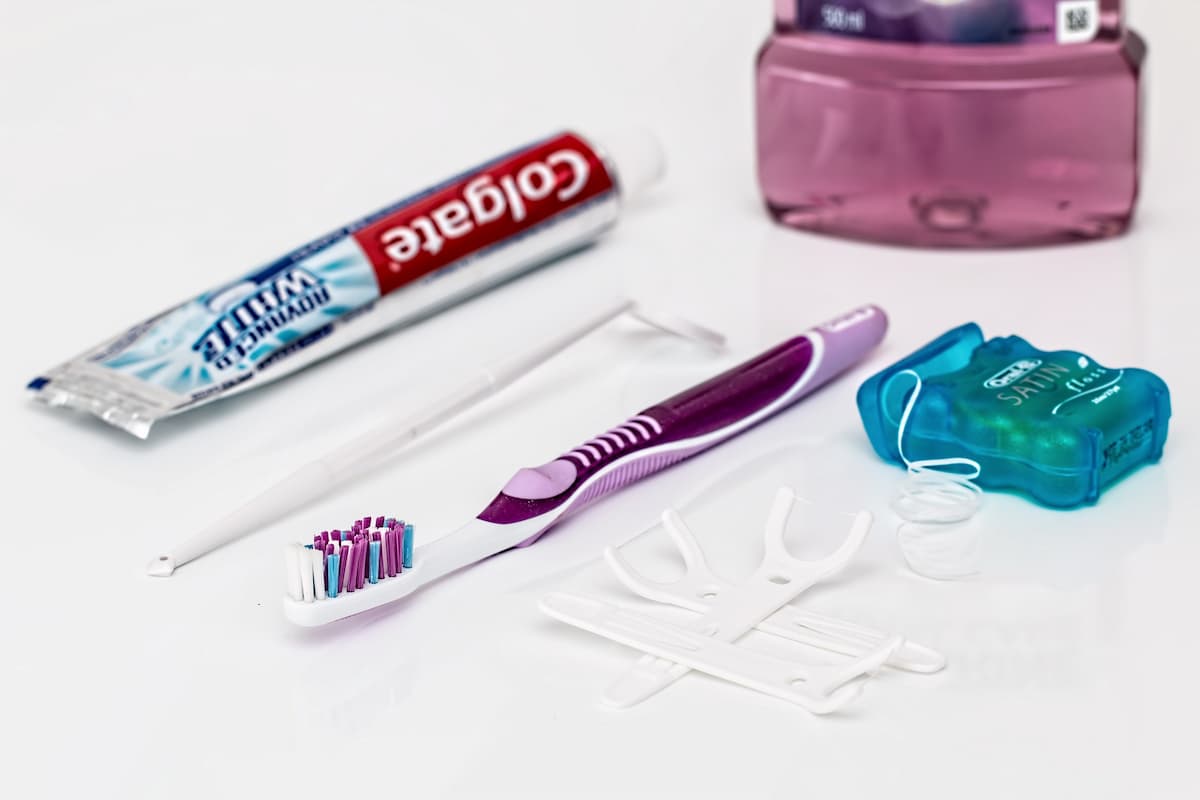
Your smile can tell you more about your general health than you might think. As we have all learned, brushing at least twice a day is of the utmost importance. But we should not slacken when it comes to good dental care. Left untreated, gum disease and decay can cause irreparable damage to the supporting structures of the teeth, which in turn raises the likelihood of cardiovascular problems in future. The link between tooth loss and impending cardiovascular problems, diabetes or even mortality is the subject of numerous cohort studies. Developing and maintaining healthy teeth and gums through effective habits is therefore absolutely necessary. Even though daily brushing and flossing seem simple, there are some basic mistakes that can undermine their success. Below is a list of typical mistakes along with solutions that can help us avoid them.
1. We are in a hurry
Brushing should not be rushed. Many experts recommend brushing twice a day for two minutes. «It is important to brush slowly, lightly and gently», says Dr Bender of Zahnchirurgie Köln. Avoid scrubbing the brush back and forth, which could damage the gums and the enamel.
2. We brush with the wrong kind of brush
Make sure the brushes you use have gentle bristles. Many dentists recommend avoiding brushes with rough bristles. The reason is that healthy gums tend to recede or shrink with age, even when the gums themselves stay healthy. While enamel makes up the part of the tooth visible above the gum line, the dentine covering the root surface is the part of the tooth most susceptible to decay. That is why, as we get older, it is particularly important to clean our teeth gently with floss and a soft brush.
3. We skip the floss, or only use it before a dental appointment
Floss works best when used regularly. The number of germs between the teeth and in the gums can be reduced by using it. Dentists recommend flossing between every tooth and taking the time to wrap the floss around each one, reaching down to the gum. That lowers the likelihood of developing periodontal disease or losing teeth at an earlier age.
4. We do not drink enough water
Water plays a decisive role in maintaining dental health and preventing a dry mouth — both of which can become a problem with age. The standard recommendation for daily water intake is still eight glasses. A dry mouth can result from medication (for the heart and blood pressure), from not drinking enough, or simply from the normal decline in saliva production that comes naturally with age. A dry mouth makes it easier for bacteria and fungi to grow, which can lead to bad breath, decay and gum disease. That is why we should arrange an appointment with the dentist every six months, to protect ourselves from the consequences of our neglect.