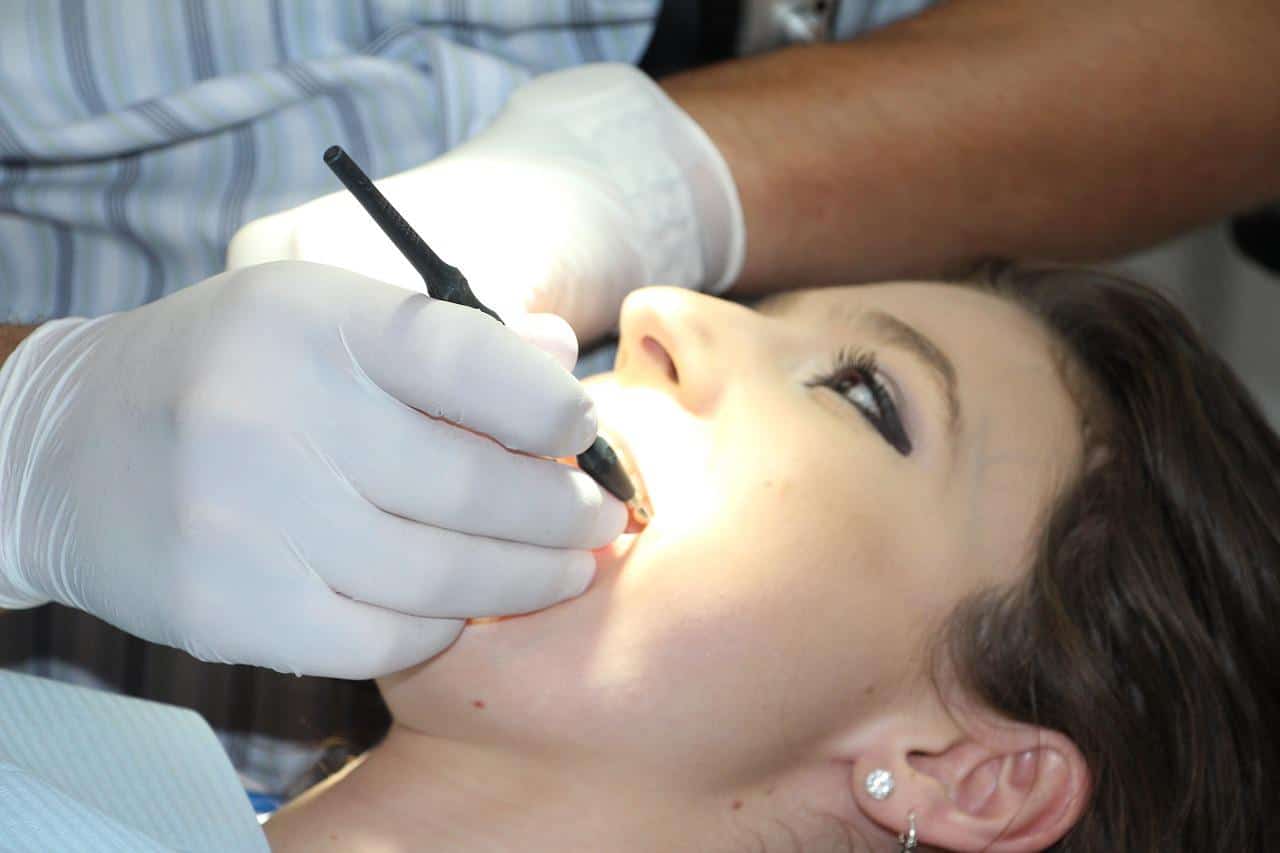
However thoroughly you brush or floss, there are always places that are hard to reach. Scaling and polishing can help you get your teeth really clean. Gum disease is frequently caused by deposits of plaque bacteria, which are best removed by brushing twice a day. But no matter how thoroughly you brush, there are always awkward spots that cannot easily be kept clean. Plaque bacteria can gather there, eventually mineralise and form a hard, crusted deposit — tartar — that a toothbrush alone can no longer remove. If tartar is not removed, more plaque can form around the tooth and possibly below the gum line, leading to progressive gum disease. To reduce the risk of gum disease, or to stop it developing into something more serious, your dentist may recommend a professional cleaning, scaling and polishing to clean your teeth thoroughly.
What to expect
Scaling can be carried out by your dentist, a prophylaxis specialist or a dental hygienist. In the first, «scraping» phase, plaque and tartar are removed. Often an ultrasonic device is used first to take off the bulk of the tartar. Treatment with special hand instruments follows to remove stubborn residue. In the next step the teeth are polished to make the surfaces completely smooth. Although polishing removes discolouration, which leaves the teeth brighter and shinier, it is not merely a cosmetic procedure: small irregularities and rough patches on the teeth are also smoothed out, which offers protection against further plaque forming.
Your dentist can tell you how often you should have scaling and polishing done. It is important to remember that professional cleaning is a supplement to careful daily oral hygiene and must on no account be regarded as a substitute for brushing twice a day with a fluoride toothpaste. Your dentist can recommend a toothpaste to prevent plaque forming between prophylaxis appointments.