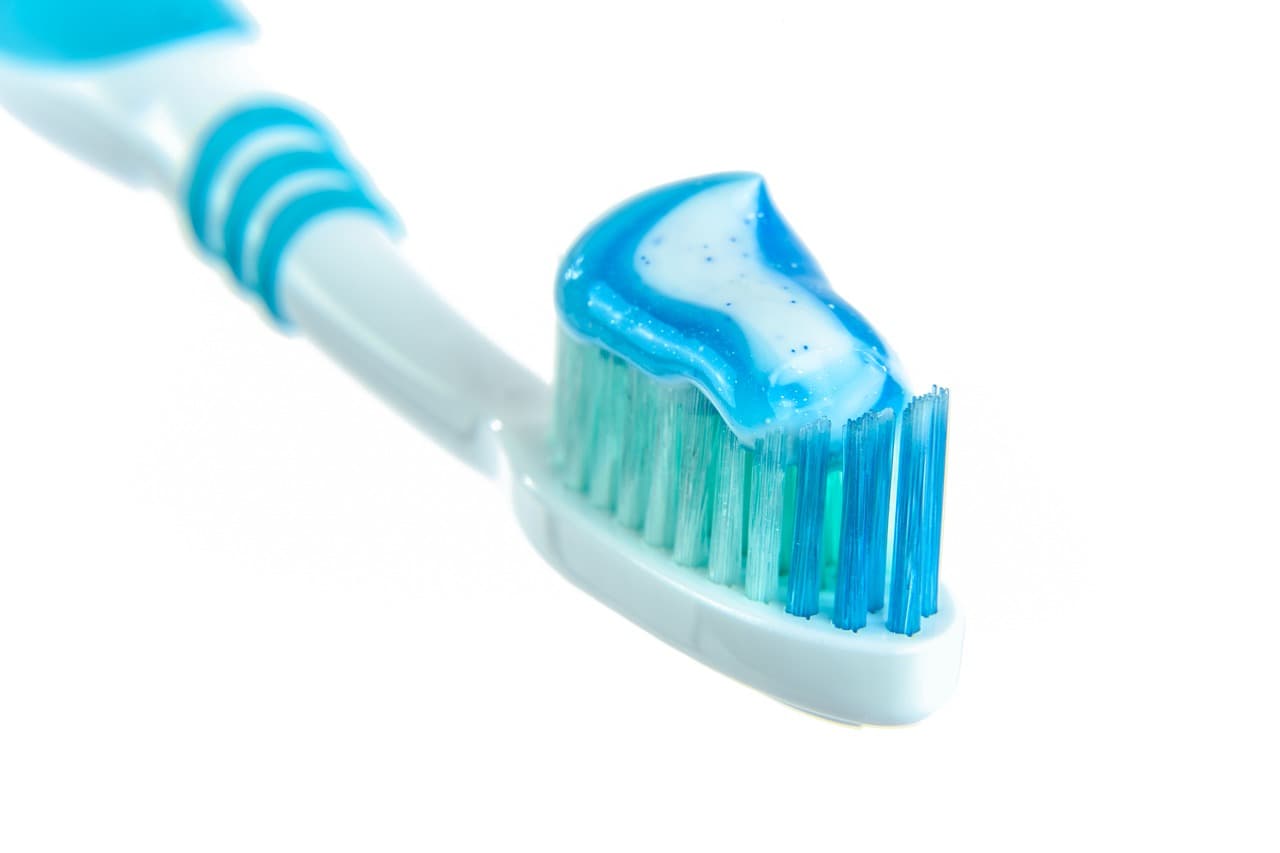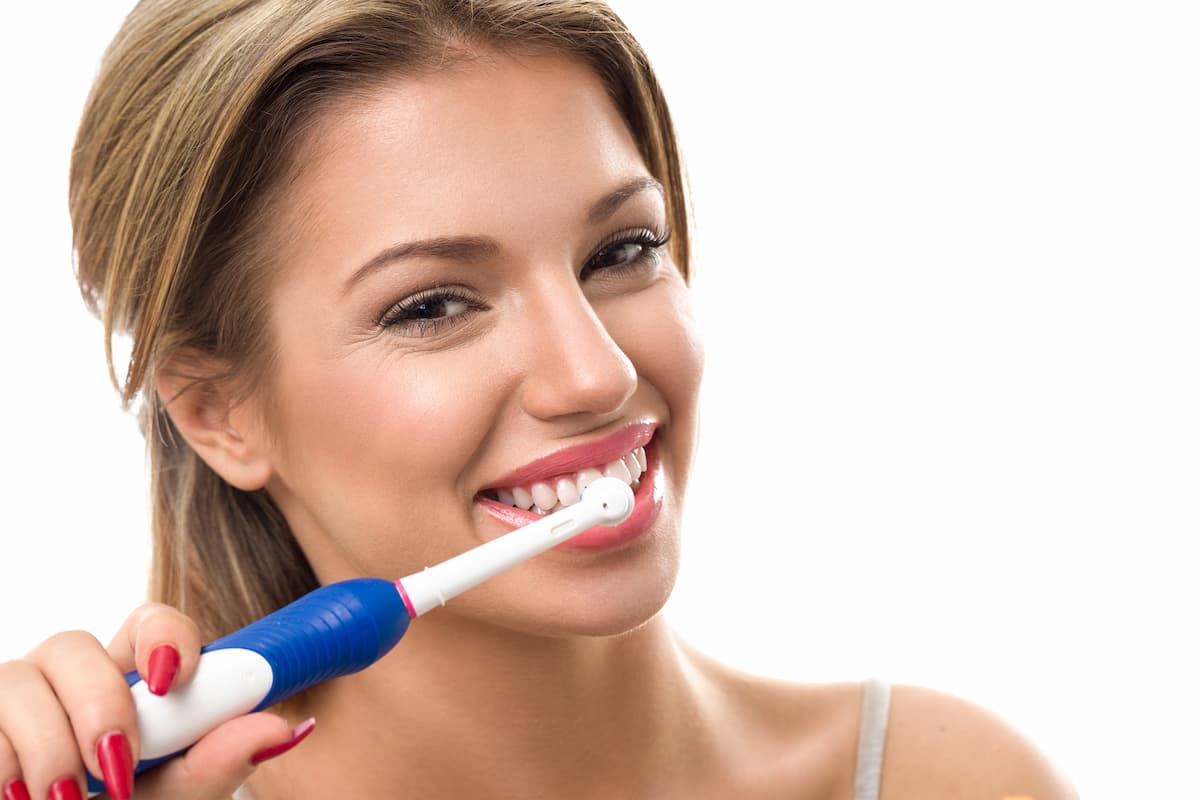
Electric toothbrushes are simply another aid you can use at home to keep your smile healthy between professional cleanings. Apart from a few leaps in design, toothbrushes have not changed much in the last 3,000 years. One change that markedly improved how a toothbrush works was the development of the electric brush in Switzerland in the late 1930s. It allowed people to care for their mouths more efficiently and helped people with arthritis and other muscle-control problems to be a little more independent.
The same, but different
While every electric toothbrush looks similar, each brand has unique features to appeal to different users. Some have rotating or oscillating heads, others use ultrasonic technology to break up plaque and food debris. Some have a timer that beeps at set intervals, and others have several settings for particular purposes, such as massaging the gums or stopping the head when you brush too hard. But every model offers the same benefit: being able to hold the brush gently while the motor and the bristles do the hard work of cleaning the teeth.
Relief for painful joints
For patients with arthritis and other conditions affecting joints and muscles, electric toothbrushes give a little control back. It may not seem a big thing to most of us, but being able to brush your own teeth when you can no longer grip a brush well can make a great difference to self-esteem.
Perfect for small hands
Children generally only develop the dexterity to brush unaided, or to tie their own shoelaces, at about seven. Even then, experts recommend that adults help children brush or at least supervise their habits to avoid decay. An electric brush helps children feel a little independence. There are many different models for children on the market today: some have bright flashing lights, others play songs for the recommended two minutes.
A deeper clean for orthodontic patients
Patients wearing a conventional brace can considerably improve their home care by using an electric brush. They can clean more thoroughly, and the oscillating or vibrating head lets the bristles reach into smaller spaces more easily than a manual brush. Just make sure the bristles are soft and the head small, so that it can reach the gaps between brackets and teeth.
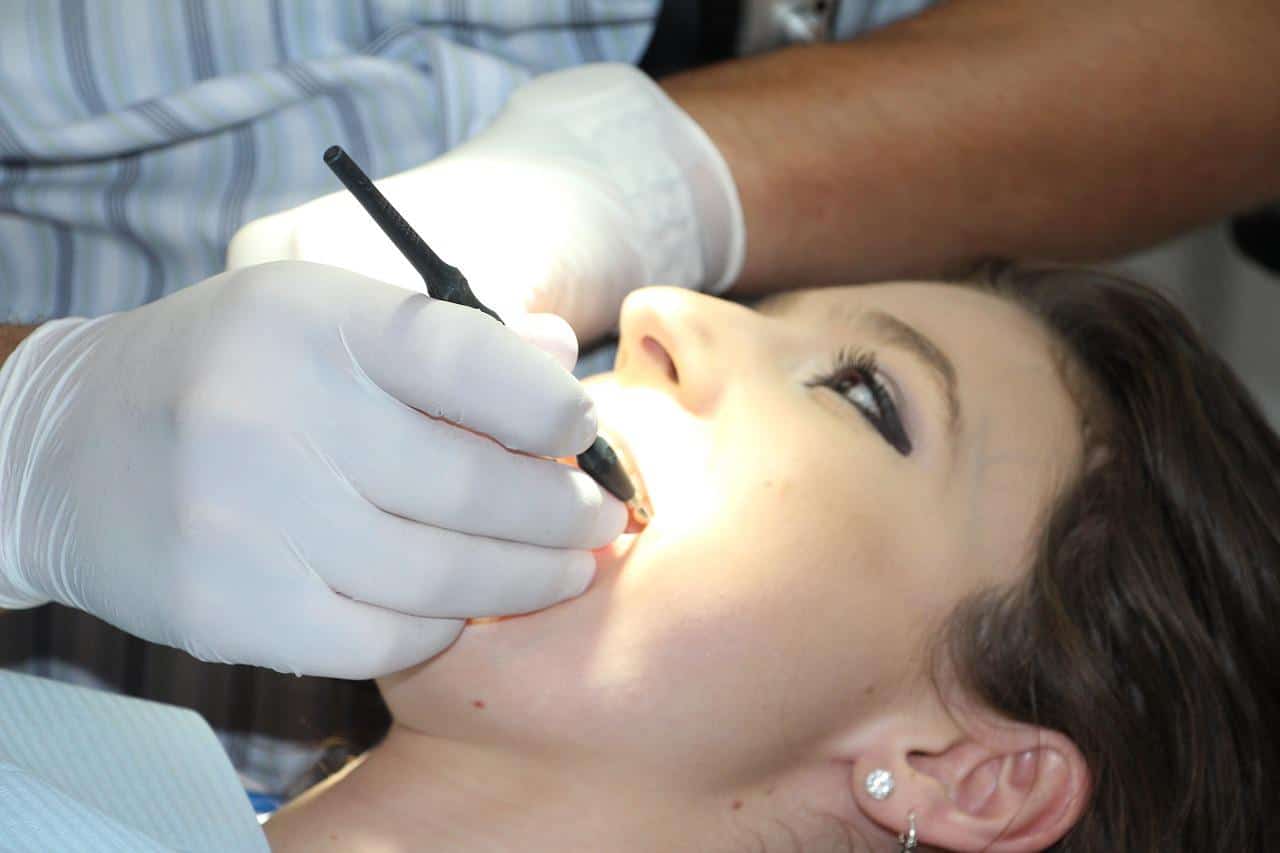
Although anyone can benefit from an electric toothbrush, it is no substitute for professional cleaning. An electric brush can support your home care and help compensate for coordination problems caused by age or illness. Even so, consider asking for help if brushing and holding the brush are difficult for you.