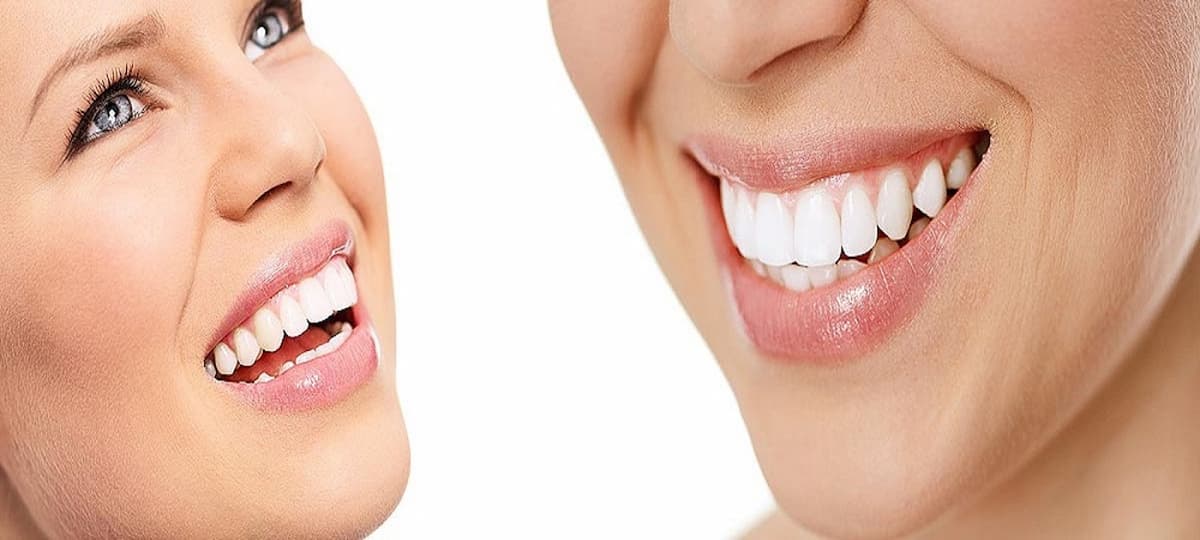
A professional dental cleaning is an important part of good oral hygiene and is therefore among the services offered at every general dental practice. It provides lasting protection against discolouration and decay and is also a good way of guarding against physical illness. What the treatment involves exactly, what benefits it brings and what the reasons for a professional cleaning are, we have summarised here.
What exactly is it?
A professional cleaning is in fact far more than the name suggests. After all, this service does not only clean the teeth: it means a substantial improvement in overall oral hygiene. Teeth and gums are not merely freed of deposits. As part of the treatment the patient receives important guidance on how to improve their hygiene and where the biggest problems lie. Professional cleaning matters above all because it covers those areas of the mouth that the patient cannot reach adequately in everyday cleaning. Hard tartar, soft plaque and discolouration are removed with modern technology.
Why is care at home not enough?
Some patients ask whether the daily routine with floss and brush is not sufficient. Even with regular, good care of the mouth, some spots always go untreated. And once tartar has formed, it can no longer be removed with ordinary equipment such as a toothbrush. Professional support with trained staff and the right instruments is then needed.
Reasons for a professional cleaning
As described, important spots on the teeth unfortunately go untreated in ordinary cleaning at home. Professional, trained staff have a practised eye for a thorough clean. Cleaning the tooth surfaces leaves them smooth and clean, which makes life hard for deposits and decay. Deposits from red wine, tea, nicotine or coffee can also be removed, as can stubborn tartar. With professional equipment the deposits are removed gently and the teeth shine white again. Afterwards the teeth are polished and sealed, which makes the enamel more resistant to outside influences.
Cleaning prevents disease and provides insight
A professional cleaning can even help prevent periodontitis, which according to scientific assessment probably also encourages other conditions such as cardiovascular problems and diabetes. A cleaning is therefore not only a good decision for the mouth: it also protects generally against physical complaints and illness. The treatment can also help the patient recognise problem areas better, since the trained staff give guidance and tips for better hygiene and dental care.
How often, and for whom?
A professional cleaning of the teeth is worthwhile again and again. How often it is best carried out depends on various factors. It is usual for cleaning to take place once or twice a year. After an examination the dentist can make a recommendation on frequency. Some practitioners also have a cleaning carried out before starting further treatment. During and after treatment with a fixed brace in particular, regular cleaning is a good option, since wearing a brace means even fewer areas of the tooth can be reached properly. Professional cleaning is often used before periodontitis therapy as well. For children such a cleaning is usually not necessary: statutory insurers pay for so-called individual prophylaxis between the ages of six and seventeen, which is generally quite sufficient to ensure good hygiene. Sometimes, however, an additional cleaning can make sense, and can then be carried out in consultation with the dentist.