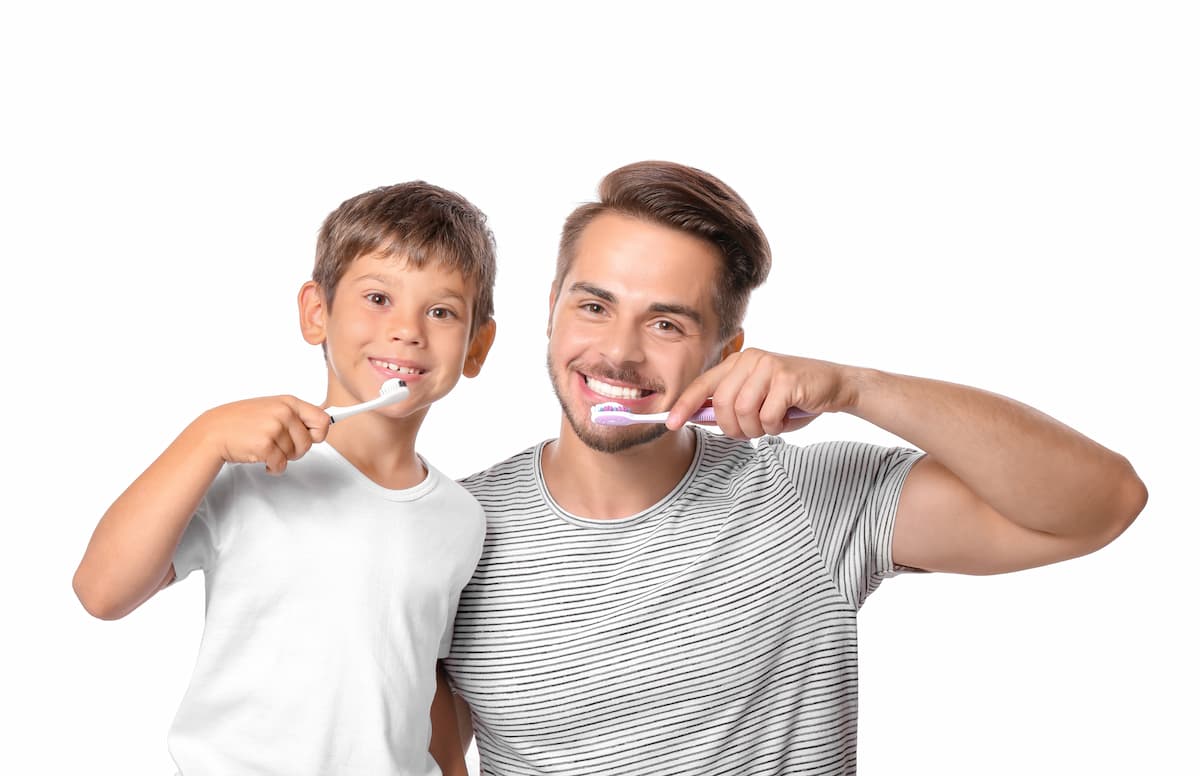
Brushing starts with the very first tooth, as the well-known rule goes. The first teeth usually appear at around seven months, so mum and dad take over the care of the small milk teeth. In time the children can brush themselves. Parents should still help, though, and go over them again — because children only acquire the motor skills to brush their own teeth at about eight. Cleaning after every meal is recommended.
Brushing has stopped at some nurseries
Normally small children who attend a nursery brush their teeth there after breakfast or lunch, supervised by a member of staff. That is how it used to work. The coronavirus pandemic, however, also had consequences for children’s dental care in nurseries. While in 2018 some 95 per cent of children in nurseries brushed their teeth regularly, many nurseries evidently stopped brushing because of emergency care arrangements. And yet there is no indication of a raised risk of infection from brushing. Brushing even strengthens the immune system and can help avoid a viral infection or make its course milder. That applies in particular to younger people. It is therefore very advisable to keep a particularly close eye on children’s dental care now. You lay the basis for your children’s future dental health in early childhood. Milk teeth are very delicate and therefore much more susceptible to decay.
Arrange a check-up for your children at our practice
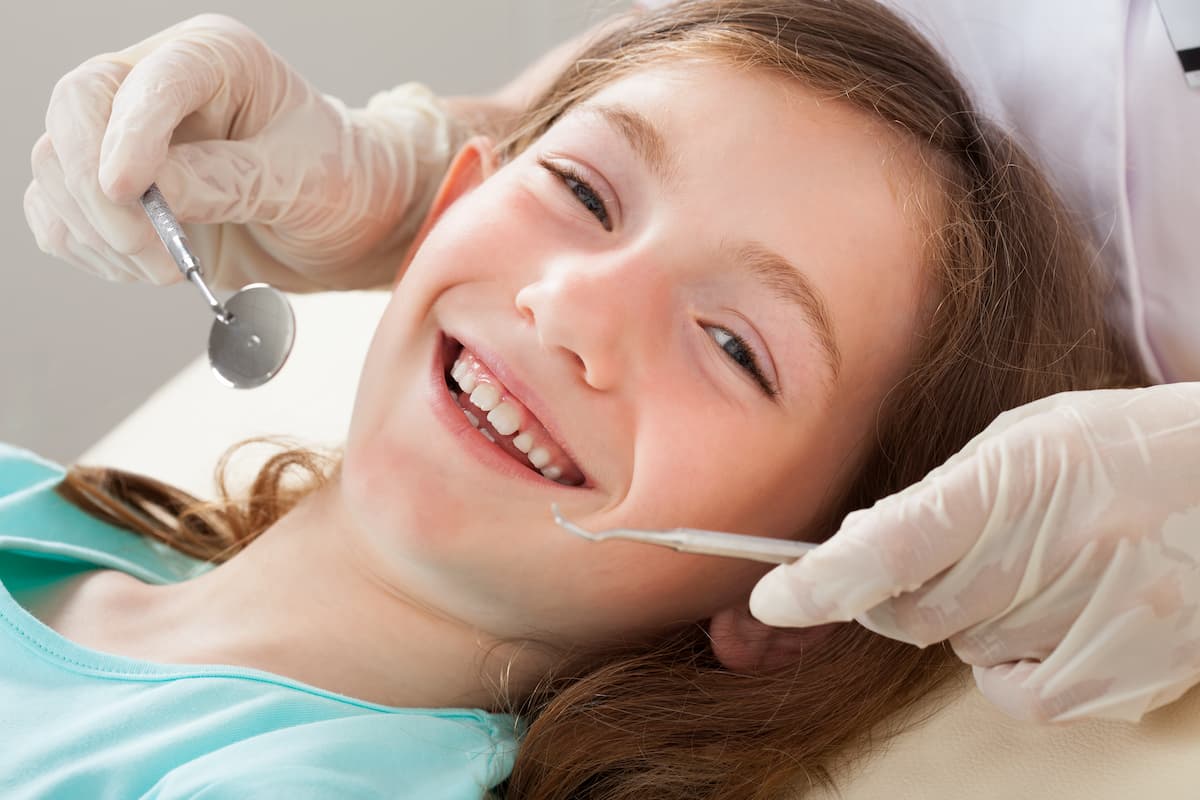
The health of your children’s teeth matters a great deal to us, and we are there for you and your little ones in times of pandemic too. What matters is keeping to the regular check-up appointments at our practice. A visit is very safe for you, as we meet the highest hygiene standards. We check your child’s teeth playfully but with the necessary care, and are glad to answer your questions. It matters to us that your child gets to keep healthy teeth for as long a life as possible.