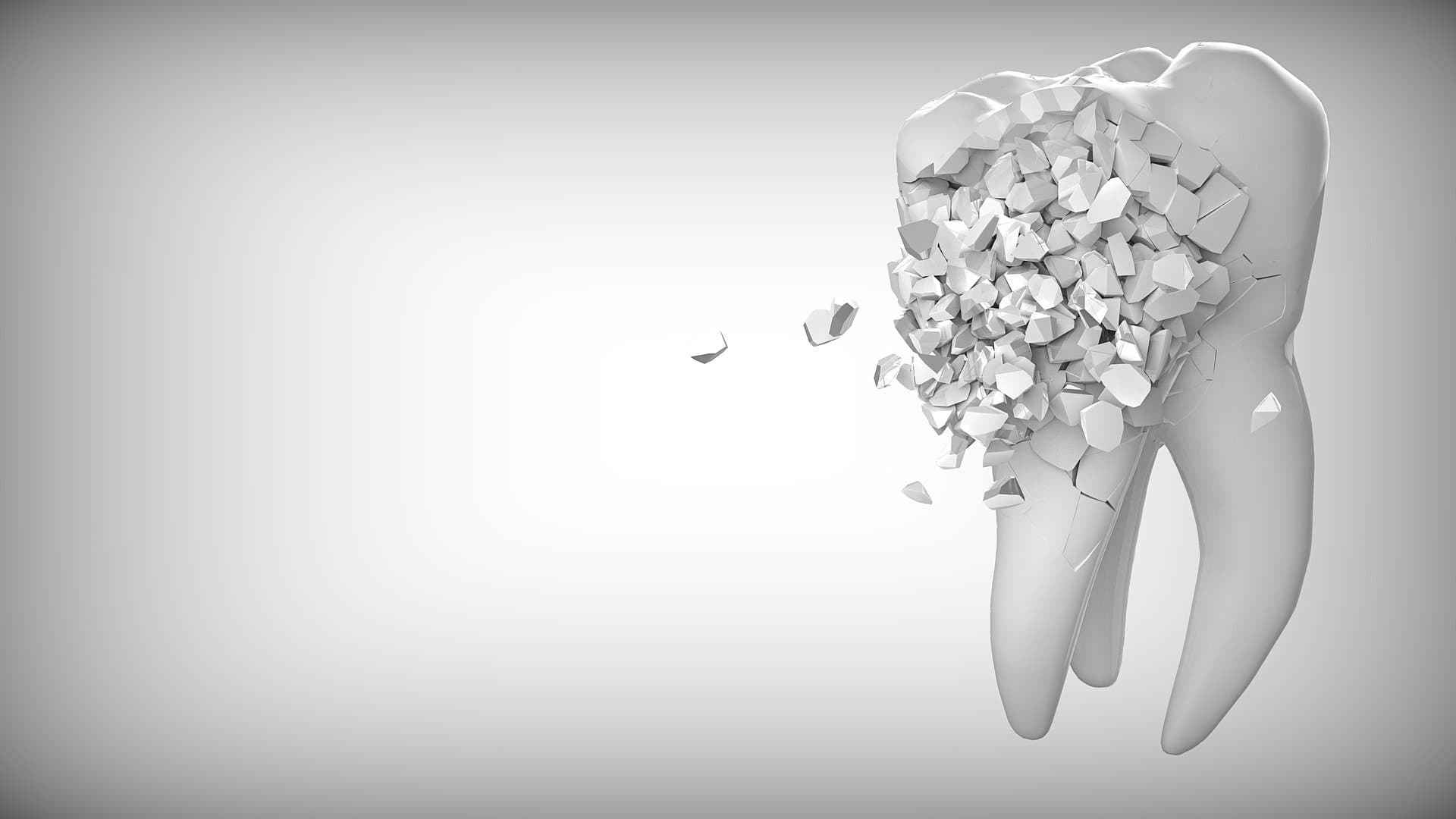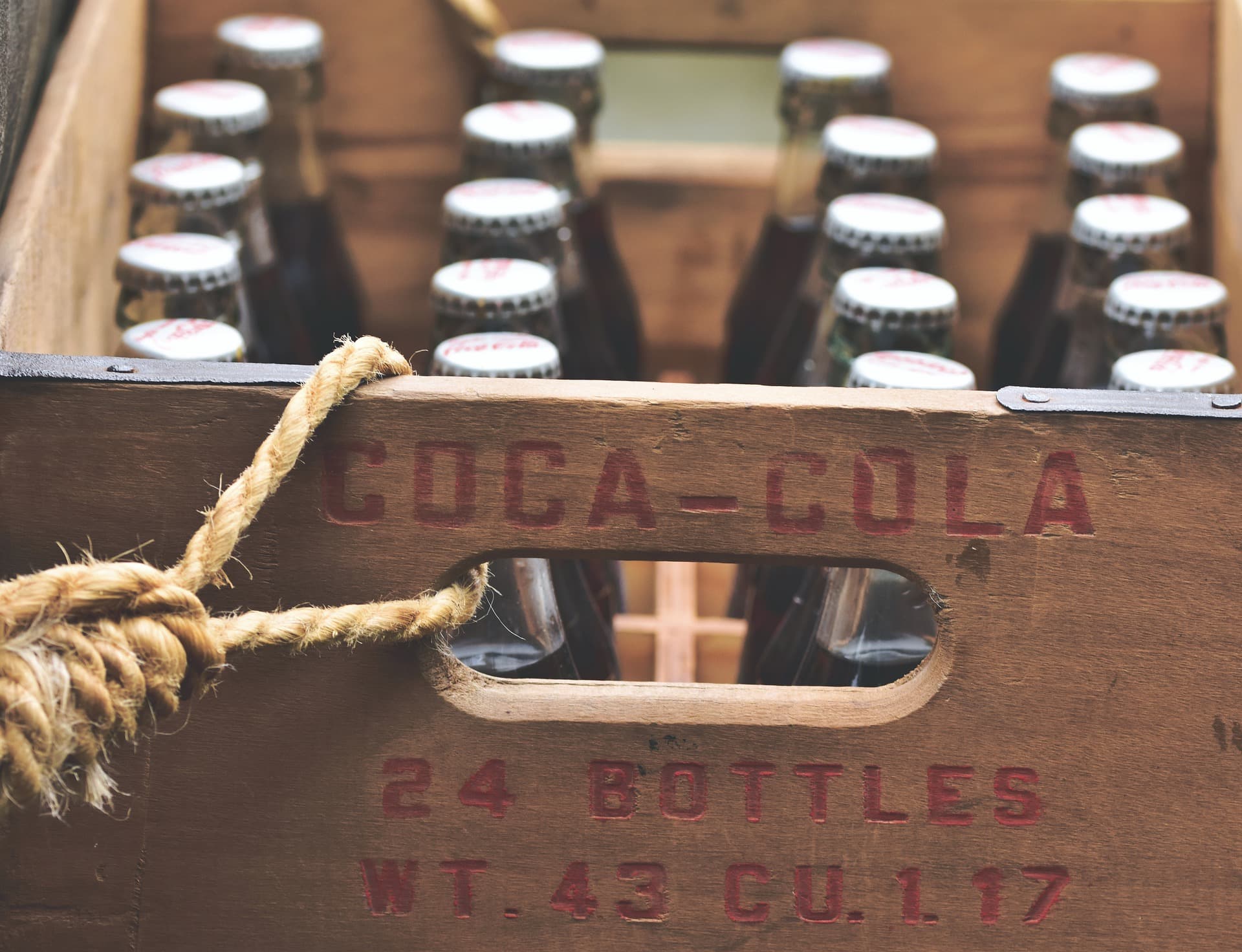
Did you know that Germans drink an average of almost 113.9 litres of fizzy and sports drinks a year? Teeth are made of the hardest matter in your body and withstand a great deal of chewing and grinding, but the sugar and acid in these drinks damage the enamel.
Every time you walk into a supermarket you are faced with a multitude of options for quenching your thirst. A rainbow of colours in plastic bottles competes for your attention, and creative marketing often turns sugared water into a fountain of youth. When it comes to your teeth, does it matter what you choose? How does a bottle of cola or a sports drink affect your teeth and your general health?
Everyone knows that most of these drinks contain a lot of sugar, but it is easy to overlook how much. A little arithmetic can help you picture the carbohydrate surge that arrives with the first sip. The nutritional label gives the number of grams of sugar in a portion, and a teaspoon holds 4 grams. If a bottle shows 20 grams in a single portion, picture that as 5 teaspoons. Where a smaller bottle used to be the norm, larger bottles are now regarded as standard. But many labels show the grams of sugar for a smaller portion and frequently state 2.5 portions in one bottle. Working out the numbers on a typical label shows that you will take in over 19 teaspoons of sugar from that soft drink.
Consider this: the bacteria that cause decay use sugar as an energy source and produce acidic waste that attacks the enamel. Syrupy drinks offer an ideal energy source to keep that population alive while at the same time triggering a surge of insulin in the bloodstream. The colossal sugar load also drives the liver to convert sugar into fat. Chronically raised insulin produces insulin resistance, a condition that contributes to a range of illnesses. From decay to cancer, sugared drinks help promote many of the health problems people suffer from today.
An acidic problem
Sugar is an important part of the formula that produces decay, but it is the acid that ultimately dissolves the enamel. The normal pH of your mouth is 7, but tooth structure begins to erode when acidity falls to 5.5. A fizzy drink can send the pH of the mouth into a nosedive, making the mouth 1,000 times more acidic than necessary and so attacking the teeth. A glance at many ingredient labels shows citric, phosphoric and carbonic acid in the mixture. It can take 15 minutes for the pH in the mouth to normalise after the last sip, which means a constant supply of sugary drinks can alter the mouth for hours a day. Diet drinks often have a pH of 3.2, putting them in a range that damages teeth. It is good that the sugar is absent, but constant exposure to high acidity can still weaken the enamel. Artificial sweeteners may have long-term effects on general health that we have not yet fully researched.
Limiting the damage
The best strategy for your teeth and your general health is to drink fresh water regularly. If you do drink fizzy drinks, note the following tips:
- Drink fizzy or sports drinks through a straw to minimise the exposure to your teeth.
- Rinse with water straight after drinking one.
- Avoid brushing your teeth for 30 minutes afterwards. That lets the pH in the mouth normalise before the teeth are exposed to the mild abrasion of brushing.
- Avoid drinks that list acids on the ingredient label.
If you have a sports drink during a strenuous workout or occasionally enjoy a fizzy drink with a meal, there is no cause for concern. Commit to keeping sugar consumption to a minimum and drinking more fresh water: your teeth and your body will thank you.