Sugar is bad for the teeth — we all agree on that, but there are a few other sweet assumptions that may not be reliable. Let us look at some widespread myths about sugar and your teeth, including why sugar is far from the only part of your diet to watch.
1. Your teeth like diet and sugar-free drinks
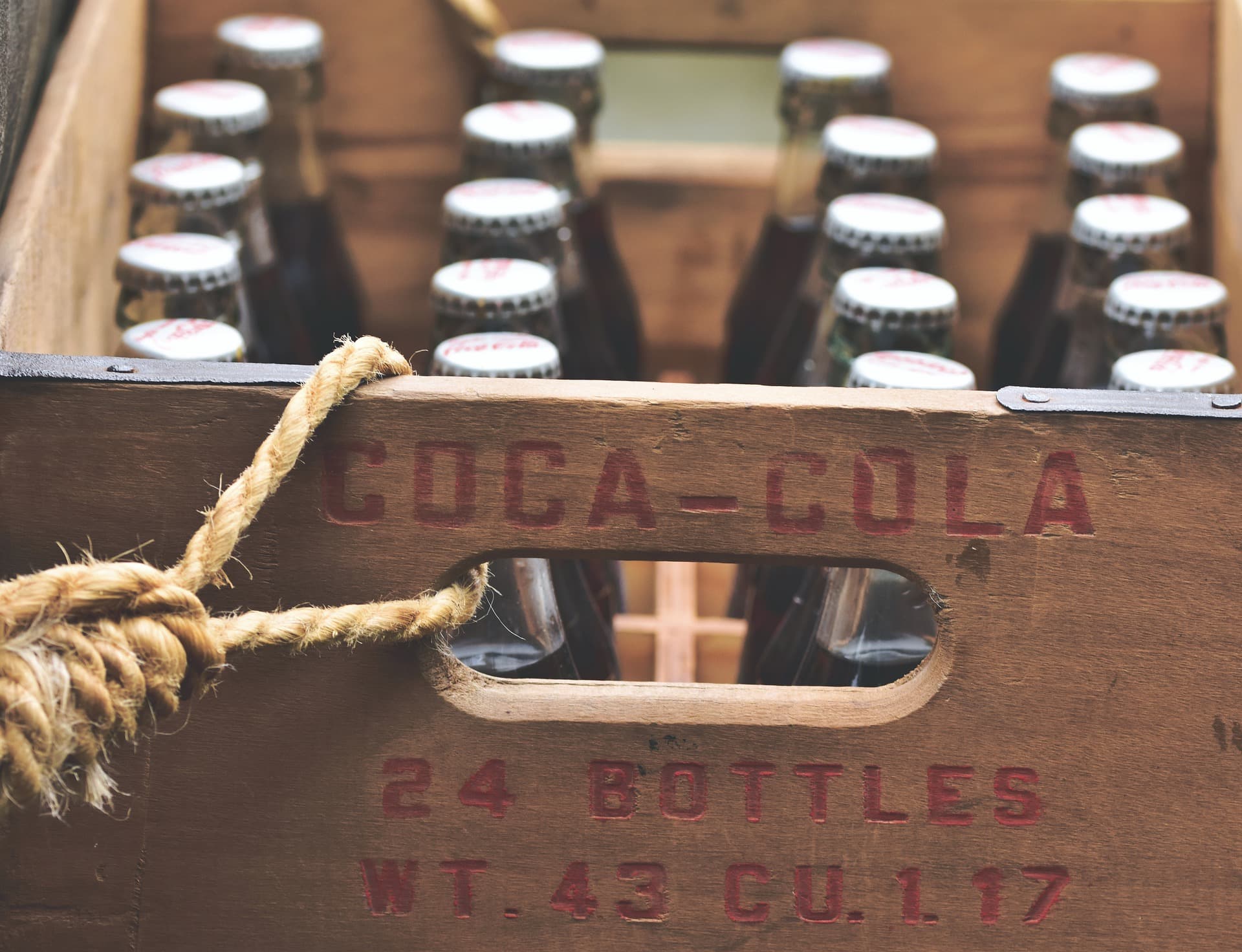
The logic seems obvious: if the sugar in drinks is harmful, then the sugar-free version must be fine. Surely you can drink as much sugar-free lemonade or cola as you like without your teeth suffering? This falls squarely into the category of myth. A study at the University of Michigan examined the damage cola and diet cola do to teeth. The results showed that the diet version attacks the enamel slightly more than the standard version after 14 days of exposure. Whatever benefits these diet drinks may have in other respects, sparing the enamel is not one of them. Many sugar-free drinks contain a high proportion of phosphoric acid, citric acid or tartaric acid, and these acids can attack the enamel, which can lead to decay and gum problems. That even applies to fruit juices, which can be high in natural citric acid. Although swapping lemonade for orange juice brings many health benefits, it is not a measure that removes all possible harm to your teeth. A tip: drink your orange juice through a straw to avoid contact with the teeth. There are of course drinks that do little or no harm, and it will surprise nobody that water is at the top of that list. We know, though, that many people do not want to limit themselves to water. Tea and coffee are relatively tooth-friendly, although they stain, and milk also counts as a tooth-friendly drink.
2. A little and often is better than one large dose
Which do you think is worse: a huge, sugary pudding eaten in one go, or a packet of gummy sweets eaten over a whole afternoon? The first may be worse for the waistline, but the second, constant nibbling on sugary treats, has far more potential to damage your teeth. Every time sugar and starchy food are eaten, the plaque bacteria in your mouth produce acid that attacks the enamel. Normally the damage subsides after about an hour and the attack is over. If you nibble sweets all day or sip slowly at a sugary drink, there are far more opportunities for these attacks. Our dentists have a saying: sip all day, risk decay.
3. Cutting out all sugar is beneficial
If sugar is bad for dental health, you could set up a simple equation: reduce sugar, improve dental health; drop sugar, enjoy optimal dental health. The problem with that logic is that dental health is not the only aspect of your health to consider, even if it is the one we usually focus on here. Your diet and health need a holistic approach. Yes, giving up refined sugar of the kind found in sweets is recommended, but not the natural sugars fructose and lactose found in fruit and dairy. Foods with natural sugar contain other important nutrients that help stabilise blood sugar and benefit general health. The glucose in refined sugar is broken down in the mouth, producing the unpleasant acids already mentioned, while fructose and lactose are broken down in the stomach. That does not mean you should not brush after eating natural sugar, since the residue on your teeth can still cause damage. To minimise the effects of the sugar and acids in foods containing natural sugar, keep a good routine at home and see your dentist and hygienist as often as recommended.
4. You should brush immediately after eating sugar
Yes, you should — but it depends on the kind of sugar and on what it was combined with. Brushing after eating refined sugar, a biscuit for instance, is good. After orange juice — a combination of sugar and acid — not so much. When you have eaten or drunk something acidic, the pH in your mouth changes, and brushing straight after a drink or a meal raises the risk of damaging the enamel. In those cases it is best to wait an hour.
5. Sugar is the worst thing for your teeth
Although sugar is undeniably harmful in the long run, since frequent and excessive consumption leads to plaque, bacteria and all kinds of dental problems, it is best not to assume that any single product is the worst. As already mentioned, the acid in food and drink can be just as harmful, if not more so. Alcohol also contains sugar and can dry the mouth out further, which can lead to a build-up of plaque and bacteria and raise the risk of decay and gum disease.
Where does the truth lie?
The key is to reduce or drop refined sugar and to keep a thorough routine at home. That includes tricks such as brushing in the morning before eating, spitting out the toothpaste without rinsing it away with water so that the protective fluoride stays on the teeth, and drinking water through the day to keep saliva flow at an optimal level. Regular check-ups and hygiene appointments should also be kept, to make sure any problems are recognised early and to give your teeth the extra boost in cleaning that you cannot get at home — especially if you have treated yourself to a few indulgences. If you live or work in Cologne, consider a check-up with us at Zahnchirurgie Köln. You can book an appointment online very easily.