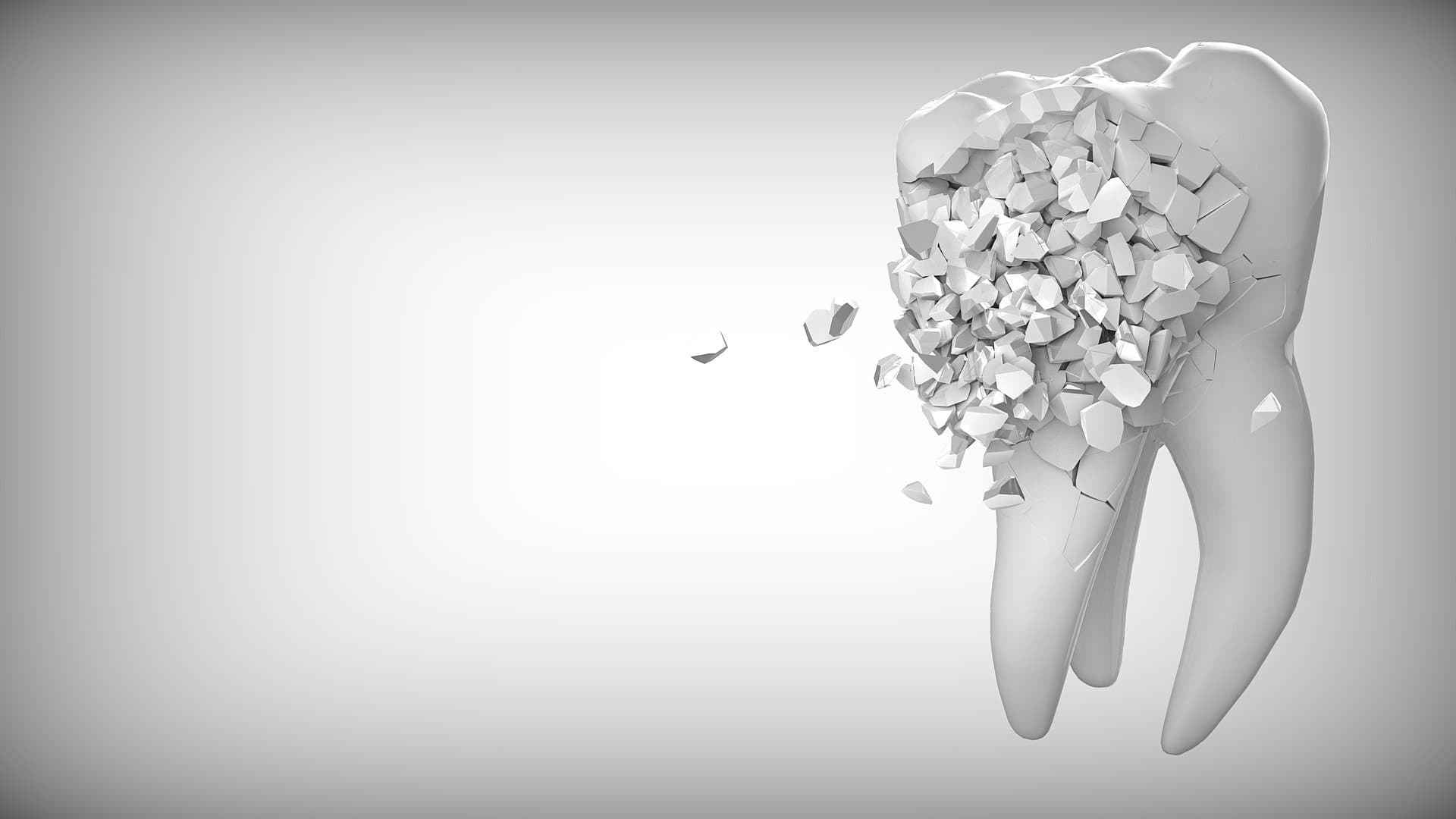
Many people use the wrong products or techniques because they believe widespread dental myths. That leads to problems with dental health, and if oral disorders are not adequately treated they can cause considerable difficulty later. People should be careful and not believe everything they see or hear.
Nine common myths worth abandoning
1. Teeth are cleaned better by brushing harder
One of the most widespread myths holds that brushing more vigorously cleans the teeth more thoroughly. That is entirely untrue. If a tooth is brushed more forcefully but not more thoroughly, the enamel is worn away. Brushing hard over a long period can produce more decay.
2. Sugar is the origin of decay
Sugar is not the cause of decay, although it contributes to it. The main factor is bacteria. They are responsible for producing the acid that attacks the enamel, the hard outer layer of the tooth. The bacteria love sugar in the mouth, and if they are not brushed and rinsed away they cause decay. Decay is not caused by sugar alone, though; other factors play a part. This is a dental myth with some basis in reality.
3. Charcoal toothpaste is the best choice
A new trend on the dental market is toothpaste containing charcoal, said to help whiten the teeth. Since charcoal is a moderate abrasive, that is only partly correct: it helps clean the topmost areas of the teeth, with an effect similar to bicarbonate of soda. Because it is an absorbent substance, however, charcoal can also cause certain problems: while cleaning the teeth it can absorb various important nutrients from the mouth.
4. Bleeding gums are no cause for concern
It is one of the most widespread myths that bleeding gums are natural. That is entirely wrong. Gingivitis can be the main cause. It is a milder form of gum disease, but it should always be taken seriously. It could be a symptom of illness or a sign of impending tooth loss. Many people have gingivitis without being aware of it and start to believe this myth.
5. Loss of enamel causes sensitivity
Caring for the enamel matters, and sensitivity should not be ignored either. It is not always true that a sensitive tooth means it is painful. Sensitivity refers to those who react to a particular change of pressure or temperature and does not always have to do with the enamel.
6. All toothpastes work the same way
This widespread belief is almost right. If you compared all the toothpastes on the market, there would be only a small number of differences, because the ingredients have much in common. But specialised pastes are made with different formulations: some are designed specifically for sensitivity, for strengthening the enamel or for reducing inflamed gums, to name a few. It is best to get a paste that matches your individual needs.
7. Bleaching agents are harmful to the teeth
Many people think bleaching and whitening are bad for them. That is a typical myth, since there is no evidence for it. Some believe it because bleaching can occasionally make teeth more sensitive.
8. No pain, no visit to the dentist
This is one of the most widespread and untrue myths. Many people wait until they are in pain before going. For routine check-ups people should see the dentist twice a year. At those appointments the dentist can help with any problems arising. Many people, however, only go when their mouth starts to hurt or feel uncomfortable.
9. Oral problems are limited to the mouth
Many people believe that dental problems resolve themselves. That is not the case. The whole body is connected with the mouth, so when there is a larger problem there, the body suffers too. Oral health has a direct influence on general health, which is why it is decisive to treat problems in the mouth properly.