After you have eaten, «sugar bugs» descend on the sugar on your teeth like ants at a picnic. They turn the sugar into acids that eat away the enamel and cause holes, known as decay. This also causes gingivitis, a gum disease that can leave your gums red, swollen and sore. Your gums are the soft, pink tissue in your mouth that holds your teeth in place. If you do not look after your teeth, decay and unhealthy gums will make your mouth very, very sore. Eating will be difficult. And you will not feel like smiling so often.
How to keep your teeth healthy
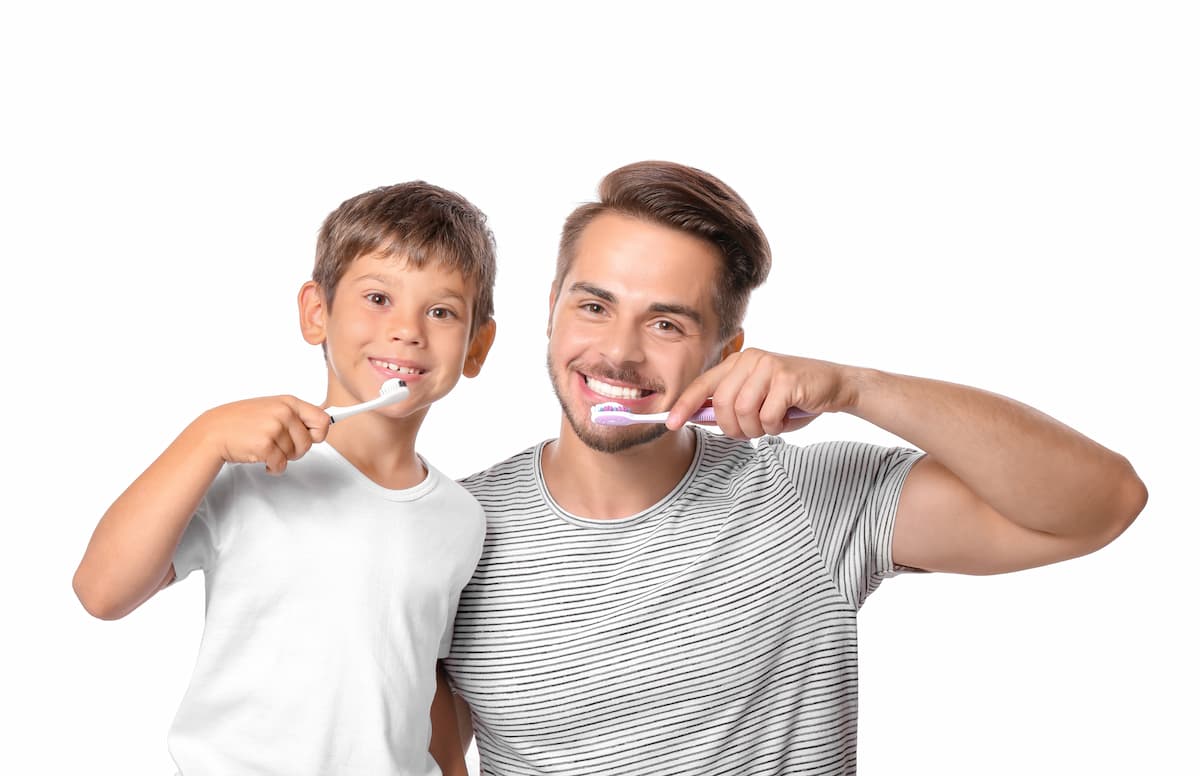
Children can take their dental care into their own hands by following these steps. Brush at least twice a day — after breakfast and before bed. If you can, brush a third time after lunch or after sweet snacks. Brushing properly breaks down plaque.
- Brush all your teeth, not just the front ones. Spend some time on the teeth at the sides and at the back. Ask your dentist to show you the best way to brush so that your teeth get clean without hurting your gums.
- Take your time. Spend at least two to three minutes each time you brush. If you find it hard to keep track, use a timer or play a song to pass the time.
- Make sure your brush has soft bristles; the packaging says whether they are soft. You should buy a new brush every three months. Some brushes have bristles that change colour when it is time to replace them.
- Ask your dentist whether an antibacterial mouthwash is a good idea.
- Use floss, which is a very important way to keep your teeth healthy. The first few times it feels odd, but soon you will be a pro. Take a piece of floss and wind it around your index fingers so that a small section is free between them. Once a day, slide the floss carefully between every tooth and along the gum line. Floss removes food hidden where your brush cannot reach, however well you brush.
- Brushing your tongue can also help keep your breath fresh.
Quick tips for parents
Help make brushing and flossing fun and easy:
- Brush together and take turns brushing each other’s teeth
- Use a brush with a familiar cartoon character
- Sing the theme tune from your child’s favourite cartoon or a nursery rhyme while brushing
- Use toothpaste and mouthwash with pleasant flavours for sensitive taste buds
- Use syllables such as «ahhhh» or «eeeee» to help your child open their mouth or move their lips away from the teeth while brushing
- When you teach a child something new at a young age, they learn the task and keep it into adulthood. Brushing and flossing have never mattered more.
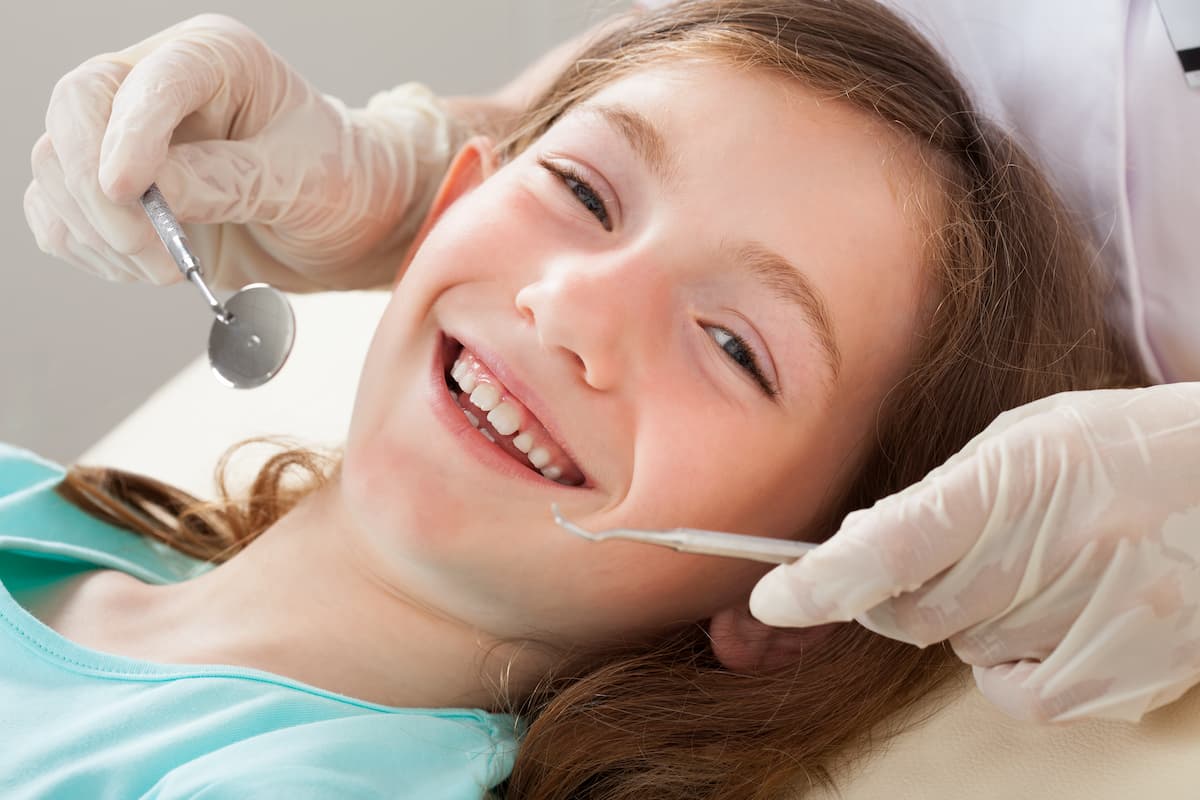
- Take your child to the dentist at the first sign of teeth. Depending on their oral hygiene, children should have a dental appointment every six months to a year.