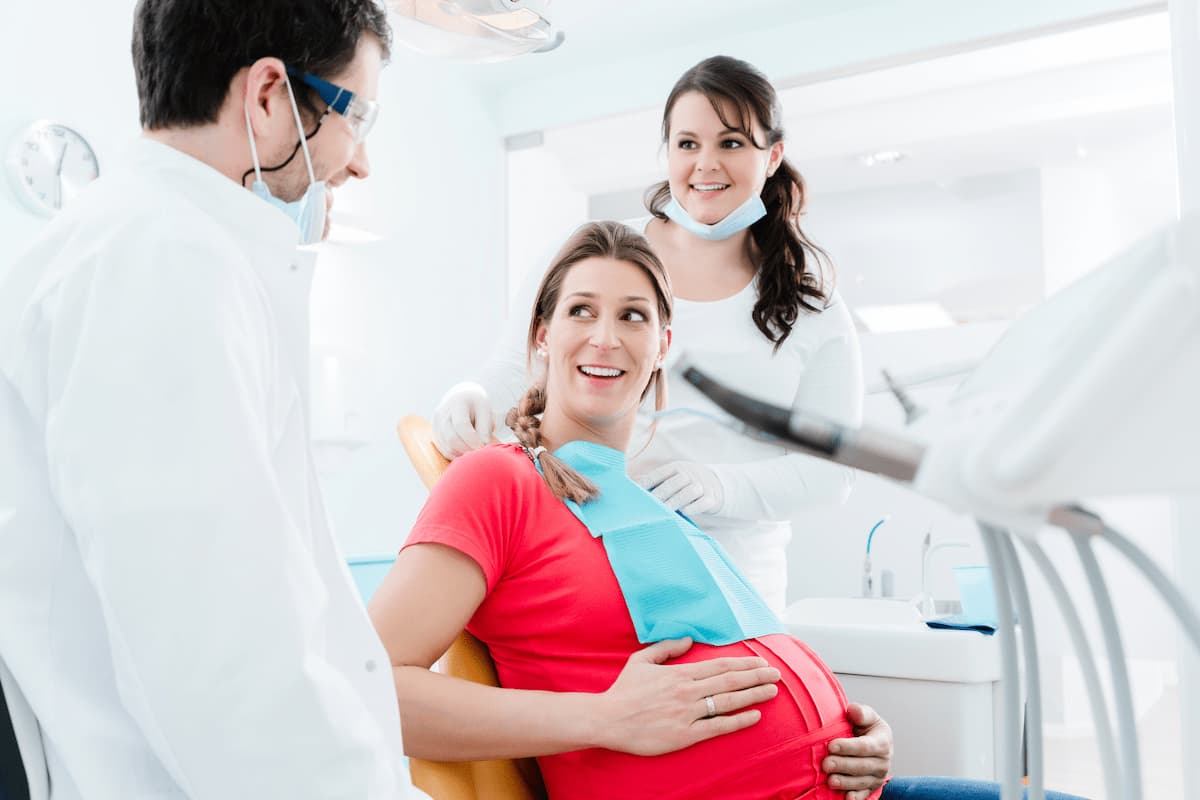
Caring for your mouth during pregnancy is one of the most important things you can do to keep yourself and your baby healthy. Pregnancy, and the promise of small feet and long afternoons cuddling your newborn, is an exciting time for every expectant parent, but it is also a stressful one with a seemingly endless list of things to do. It may be tempting to put off the next cleaning, but looking after your mouth and teeth during pregnancy is one of the most important things you can do to keep yourself and your unborn child healthy.
During pregnancy your body is working for two. That puts a strain on all your organs. Science has found a connection between inflamed gums and systemic conditions such as high blood pressure and thyroid problems, which suggests that untreated gum disease can affect your unborn baby and weaken your immune system. Skipping the toothbrush or the daily floss has also been linked to gestational diabetes, pre-eclampsia and premature birth.
Gums, hormones and morning sickness
When you are pregnant, your body increases its production of progesterone. This rise increases blood flow to the body’s tissues, including the gums, which causes inflammation. Progesterone also changes how the gum tissue responds to the bacteria in plaque, making it inflame even more. When that happens you develop a condition known as pregnancy gingivitis, which affects more than 40% of all pregnancies. Symptoms can include bad breath and swollen, red, tender gums that bleed easily. Untreated gingivitis during pregnancy can lead to periodontal disease, which in turn can lead to premature birth or low birth weight.
Morning sickness is one of the things that affects most, though not all, pregnancies. If you are among the 70% of mothers who experience it, you also have a raised risk of developing decay.
Sometimes a woman’s gum tissue starts to grow around and between the teeth during pregnancy. These are called pregnancy tumours, but they are not cancerous and usually disappear after the birth. They are in fact an inflammatory response to plaque or food particles and can affect up to 10% of women, most of whom also have pregnancy gingivitis.
Some additional treatment
Your dentist may recommend an extra examination and cleaning to remove excess plaque build-up and check for decay, in order to prevent pregnancy gingivitis and other pregnancy-related dental problems. They may also recommend brushing thoroughly after bouts of morning sickness and flossing more than once a day.
Pregnancy can be an exciting but also an overwhelming time. Brushing regularly and seeing your dentist can help you stay healthy throughout. Remember: self-care is not only spa days and pedicures, but also taking time for you and your baby.