To keep to a consistent routine, many people brush their teeth at the same time each day. Most seem to brush twice: once in the morning and once shortly before bed. But what if, in your regular routine, you have been brushing first thing and doing it wrong? Several experts recommend brushing before breakfast, since that is the optimal time for the life of the enamel and for oral health generally. Even though nobody wants their morning orange juice to taste of fluoride, it can be good for your teeth. Good dental habits help you keep your teeth healthy and your smile bright. To keep them free of decay, brushing at least twice a day for two minutes each time is recommended. This article looks at the claim that brushing before or after breakfast is better for dental health.
Why is brushing before breakfast a good idea?
There may be a scientific answer to this. Plaque-causing bacteria in your mouth multiply while you sleep, which can lead to morning breath and a mossy taste. Using a fluoride toothpaste can help remove plaque and bacteria. Brushing before breakfast also protects the enamel by forming an additional protective layer against the acids in food. After eating or drinking something acidic you should wait at least 30 minutes before brushing. Staples counted as acidic include toast, citrus fruit and coffee. The optimal time to brush is the morning, because saliva production is highest then. Saliva supports the digestion of food and safely removes harmful oral bacteria.
How should you brush properly?
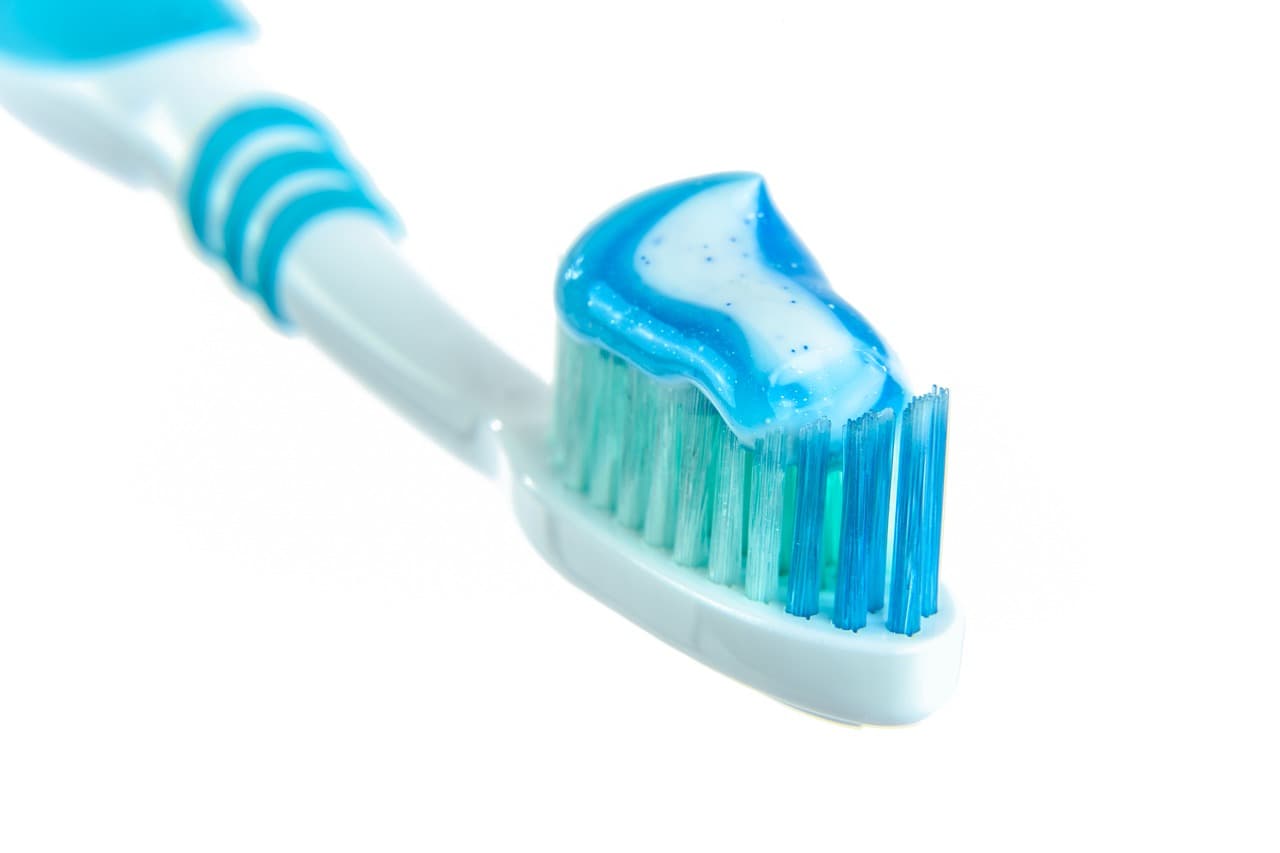
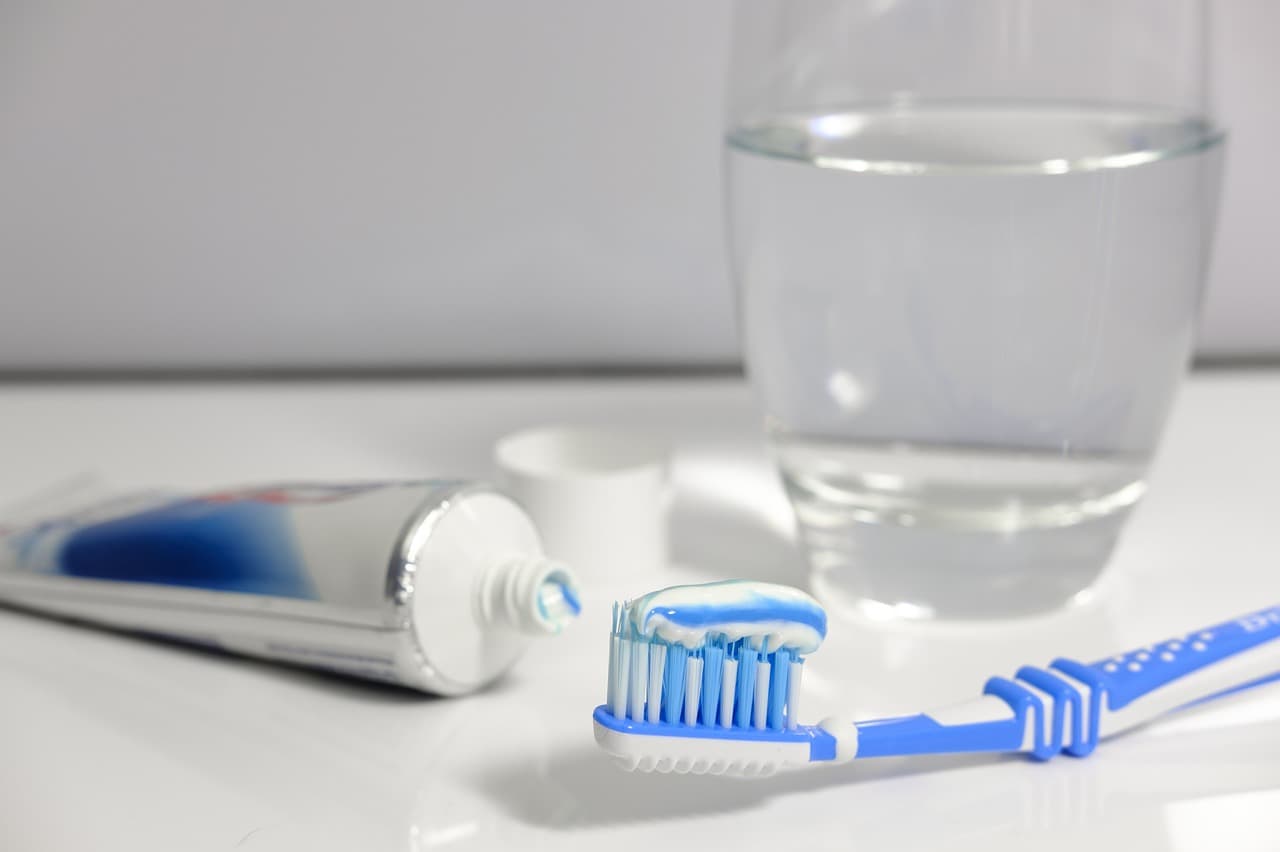
Whether or not you brush after breakfast, how you brush matters just as much as when — if not more. Whether you use an electric brush or an ordinary manual one with nylon bristles, follow these steps: wet the head only a little to lubricate it; use a pea-sized amount of fluoride toothpaste; brush at a 45-degree angle to reach awkward spots; brush for two minutes, concentrating on the chewing surface, the sides and the front teeth.
- Remove any bacteria that have gathered on the tongue while brushing.
- Spit out the toothpaste still in your mouth.
Besides the benefits of brushing, keep the following recommendations in mind:
- Use floss every day
- Use a mouthwash as a final rinse after brushing and flossing
- Drink plenty of water
- Eat a balanced diet and avoid sugary food and drink
- Keep snacking to a minimum
- Replace your brush every three to four months, or sooner if the bristles are uneven or splayed
- Arrange an appointment with your dentist for regular cleanings and X-rays
Precautions if you brush after breakfast
Plaque and bacteria combine more readily with pancakes, waffles, cereal, milk, coffee and orange juice when you brush after breakfast. The optimal time to brush is therefore first thing on waking. So remember to reach for your brush before your cup of coffee — you might notice a difference at your next check-up.
If it suits your morning routine better, you can also brush after breakfast, but bear this in mind: brushing straight after breakfast could spread acidic food residue over the teeth instead of strengthening the enamel. Staples that harm the enamel include:
- Acidic fruit
- Citrus juice
- Stale fruit
- Bread
- Pastries
That means brushing right after breakfast can be very harmful. Waiting 30 to 60 minutes after eating is the best way to make sure you protect your teeth and do not damage the enamel. Dental experts recommend waiting 60 minutes after eating, especially after an acidic meal. After eating you can rinse your mouth with water or chew sugar-free gum to clean your teeth.