Most children look forward to a treat or two in their lunchbox and, let us be honest, many parents like the thought of their child having something to look forward to. Between the sandwiches, the celery and the fruit there may also be a small chocolate bar or a sugary yoghurt. We imagine how happy they will be eating it. But what children eat at school and how they look after their oral hygiene can have a great influence on their teeth. The occasional treat is no problem, but the frequency of bad habits can lead to decay and long-term trouble. Here are some tips on how children can look after their teeth at school — while staying realistic. We know that not every child would happily eat a lunchbox full of rice cakes and salad.
Limit treats
It is easy to get into the habit of putting a treat in the lunchbox every day, or even more than one: a chocolate bar, a slice of cake or a packet of crisps. Which do you think is worse — a huge, sugary pudding eaten in one go, or a packet of gummy sweets eaten over the whole afternoon? The first may be worse for the waistline, but the second, constant nibbling on sugary treats, has far more potential to damage the teeth. Every time you eat sugar and starchy food, the plaque bacteria in your mouth produce acid that attacks the enamel and causes decay. You do not have to force your child to go cold turkey, but reducing sugary food is a good start.
Not all treats are equal
A small chocolate bar with a wafer inside may have less sugar and fat than a slice of cake. The slice of cake may have far less sugar than a can of cola — not to mention the acid in that drink. The stickier the treat, the worse it is for the teeth, since it stays on them and raises the risk of decay. If you still want to include a treat, you can do so with a lower sugar content, if not with the same taste. Compare the ingredients and nutritional information and try to choose treats at the healthier end of the scale.
Think about the sandwich filling
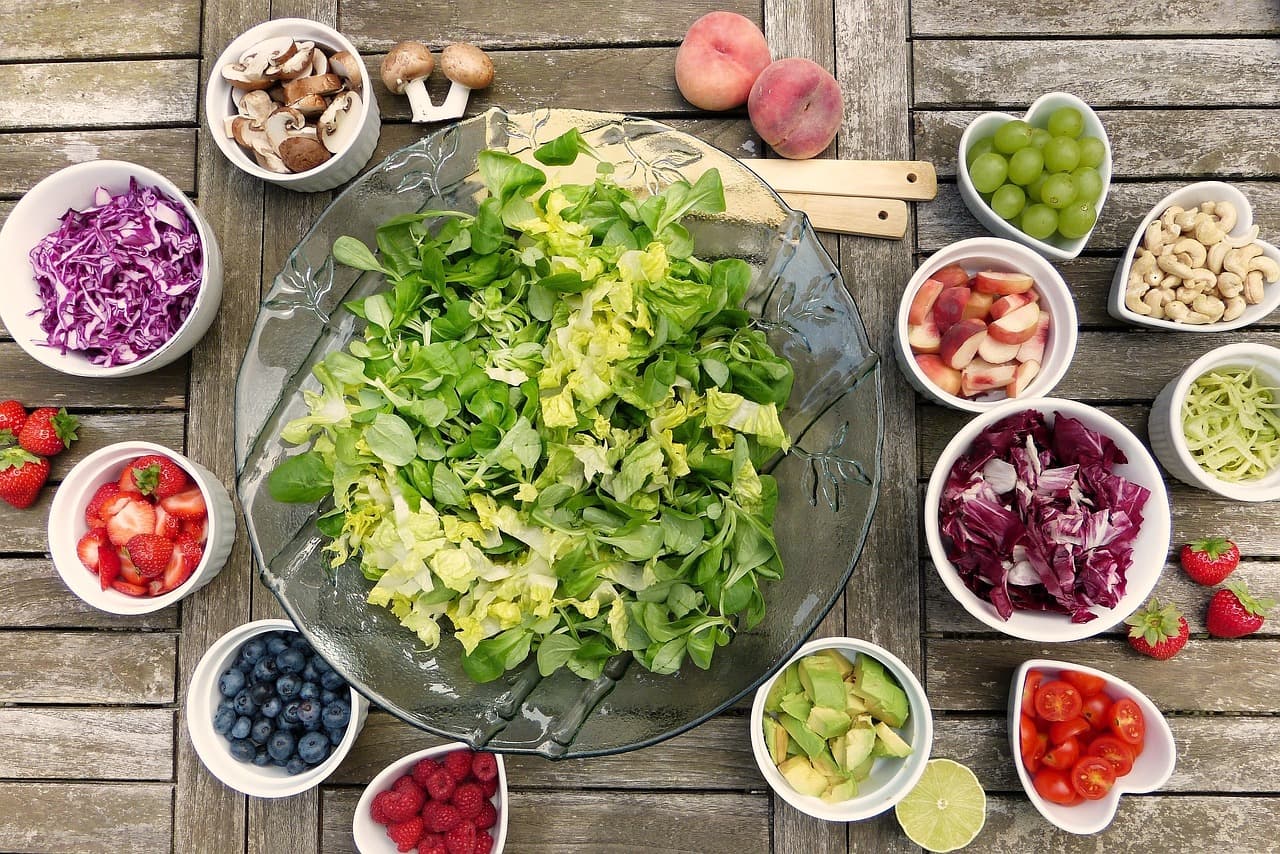
A sandwich can be very nutritious — just bread, good ham and cucumber, say — or it can be one filled with thick jam. Even the type of bread matters: white bread has a very high sugar content, while wholemeal or seeded bread contains plenty of fibre and is good for the teeth. Children can be picky eaters and you may feel the choice is limited, but even so you can make sure the jam is sugar-free or has no added sugar. It should be pointed out that products labelled sugar-free can still contain a small amount. With jam, for instance, look for products where fruit is listed as the first ingredient. Better still, use fresh sliced fruit. Parents often go to great lengths to remove the snacks from the lunchbox, but then include sandwiches that undo all that good work. Sandwiches can also be a bit dull — do wraps offer an alternative? One option we like a lot is wraps filled with shredded chicken breast, some cheese and salad, which make a healthy, low-fat, high-protein fajita. Since the elements are separate in the lunchbox, assembling the wrap is even fun.
Not all «healthy» food is healthy
Fruit is healthy, yoghurt is healthy, so both belong in the lunchbox, right? Perhaps. Fresh fruit is certainly healthy, even if it has a high natural sugar content, but dried fruit often contains far more sugar and is a real tooth-wrecker. Think of dried fruit more as a snack comparable to sweets than as a good source of one of your five a day — it works much like the sticky sweets already mentioned. Yoghurt can also vary a great deal. Fresh, natural yoghurt with some fresh fruit is an excellent option; yoghurt high in sugar, often the stuff with a cartoon character on the side, is less suitable. As with the difference between white and wholemeal bread, the concept of hidden sugar matters: it is easy to believe we are offering a relatively healthy option when the food in fact contains another dose of sugar. When teeth come into contact with small amounts of sugar frequently, that becomes a dangerous mixture. High sugar frequency equals high risk of decay.
Stay hydrated
The importance of drinking enough cannot be overstated, for oral health and for health in general. Encourage your children to drink regularly, to sip water through the day and to drink plenty at lunch. They should also drink after eating, since that washes away harmful sugars and acids that may have been in the food. What they drink should be healthy — water or milk are ideal, sugary fizzy drinks an absolute no. If your child finds water too bland, it can be diluted with juice, but here too choose a sugar-free variety.
Chew after eating
Chewing helps keep the mouth moist and produces saliva, which naturally helps prevent bacteria and plaque forming. After eating you have a short window in which to take steps to reduce the effects of sugar and acid. Many adults chew sugar-free gum for this reason, but gum may not be allowed or advisable at school. Another option is to plan food that has to be chewed and encourage your child to eat it as the last part of lunch, for maximum benefit. Celery can be a good option, as can many crackers, as long as they are free of sugar and fat.
Brushing before a healthy breakfast
In the morning routine, teeth should be brushed before breakfast. Do not let children rinse their mouth after brushing, since that removes the protective fluoride layer. If they have forgotten to brush before eating, wait half an hour after breakfast — or let them rinse with a little water if they are in a hurry.
The choice of cereal matters too
A healthy, filling breakfast reduces the need for snacking and does no harm to the teeth. A high-protein breakfast keeps you feeling full longer. Many parents worry about dental care at school, but what happens before the school gate can matter just as much. When you are in a hurry in the morning — and we all are — brushing and a healthy breakfast should not fall by the wayside.
Treats at home
We all know it, some of us almost every day. The child comes home — «Mum, Dad, I’m hungry» — and we suggest they get something to eat, because we are busy with work. But what do they reach for, or, if we have prepared a snack, what is it? Again, this is not about cutting all pleasure or treats out of the menu; it is about balance. Sugary snacks are best eaten during meals alongside a range of healthy food and some water to wash them down, rather than on their own.
Setting a good example is much harder if we do not eat well ourselves. If they see us eating sweets or a chocolate bar, they will naturally want the same. The healthier we eat ourselves, the less likely we are to have unhealthy things in the house, and the more our children have no choice but to eat well.
What are your tips?
We would love to know how you encourage good dental hygiene at school — what great tips have you found?
If you have questions about your child’s dental health or would like to arrange a check-up, call us. We take the time a child needs the first time round.